A Tackle Shop Guide to Kingfish Lures
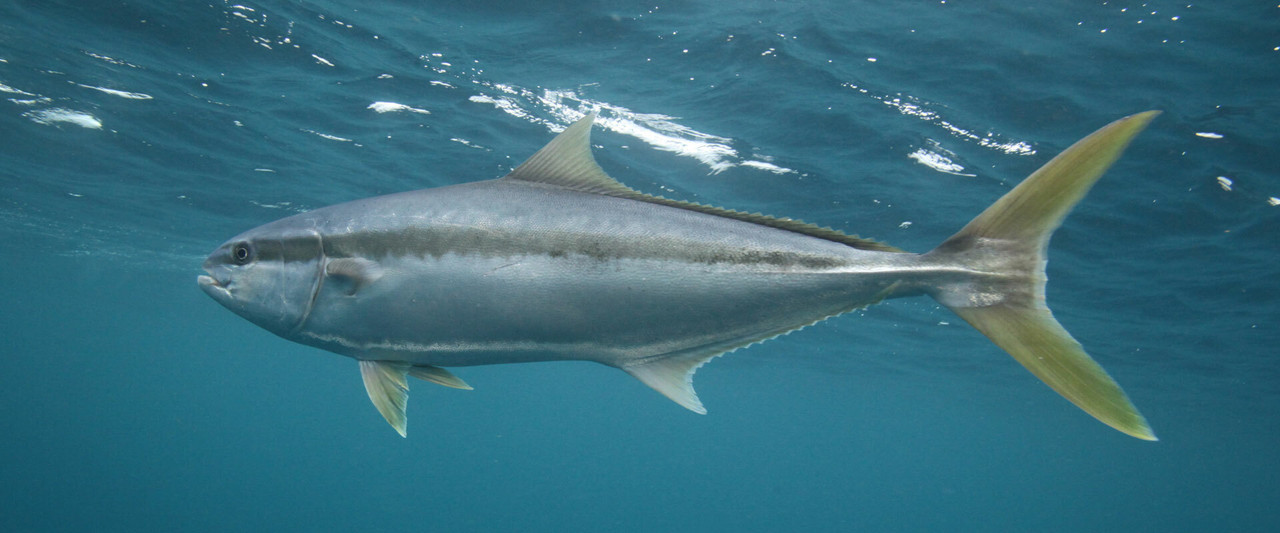
Yellowtail Kingfish are notoriously renowned as being one of the most punishing sportfish you can target on the Australian coast. They are highly intelligent fish, have excellent eyesight, and the moment they feel a hook, their first instinct is to bury you in the nearest reef. Beating them requires more than just heavy tackle; it generally requires presenting the right lure with the correct action. This guide breaks down the core lure styles and retrieve techniques required to outsmart a kingy.
A Note From Our Local Experts
"A common frustration when chasing kingfish is the dreaded 'follow, but no take'. For example, when casting a stickbait off the ledges of Kiama Blowhole Point or Bass Point, a meter-long kingfish might track it right to the end of your retrieve before turning away.
The secret isn't always changing the lure; it's changing the speed. Kingfish are triggered by panic. One technique you should avoid when you see a follow is slowing your retrieve. You need to wind faster or sweep the rod hard to force a reaction bite. When you are on the rocks, firing out a heavy metal spinner and cranking it back as fast as humanly possible is often the most reliable way to get a solid hook-up.
Some of my favourite lures for targeting kingfish locally land-based are the Surecatch Knight Lures and the Rapala Long Cast Minnow. Or, when fishing places like the Block and Cheese at Jervis Bay with a Metal Jig, a fast, erratic side-to-side action is what I have found produces the best results for me personally."
Always Be Lure Ready – Sourcing and maintaining the best bait for kingfish can be extremely tough, as live bait goes bad quickly, and the kingfish will not be fooled. But you can always be ready if you have a selection of kingfish jigs and kingfish trolling lures. You will have the freedom to change tactics if they are proving difficult to catch.
- Ben Czulowski, Owner, Fishing Tackle Shop (Ocean Storm)
Surface Action: Poppers vs. Stickbaits
Drawing a kingfish to the surface on a fishing lure is an incredibly visual and exciting way to fish. The choice between a popper and a stickbait comes down to water conditions and fish behaviour.
- Surface Poppers: A popper with a large, cupped face displaces a lot of water and creates a loud 'blooping' sound. This acts as a dinner bell for kingies, making it the ideal choice for calling fish up from deep reefs or for standing out when there is a heavy surface chop about.
- Stickbaits: These lures lack a cupped face and instead rely on a sweeping, side-to-side 'S' action just beneath the surface film. Because the presentation is more subtle and natural, a stickbait is often the superior choice for highly pressured, educated kingfish, especially in clear, calm water conditions.
Rock Fishing Lures: Metal Spinners
For land-based anglers fishing from ocean rock ledges, the metal spinning lure is the foundation of the tackle kit. Their aerodynamic, dense profile allows you to cast long distances and punch through strong headwinds. When targeting kingfish on metal lures, the key is mass and speed. A heavy slice in the 60g to 85g range allows for a rapid, high-speed retrieve across the surface or through the wash, perfectly mimicking a fleeing garfish, pilly, or saury.
Sub-Surface Tactics: Plastics and Jigs
When the fish refuse to come to the surface, you must drop your presentation down to their level.
✔
Soft Plastic Jerk Shads: A large 7-inch to 9-inch jerk shad rigged on a heavy-duty jig head or a Berkley elevator bomb-style jig head is highly effective. Darting this lure erratically through the water column with sharp rod twitches perfectly mimics a dying baitfish.
✔
Mechanical Knife Jigs: For offshore boat anglers, dropping a heavy, streamlined knife jig and retrieving it with a rapid, rhythmic action (mechanical jigging) is the proven method for targeting deep-water kingfish holding tightly to offshore structure.
Kingfish Lure Application Guide
Use this guide to match the right lure style to the depth and water conditions you are facing.
| Lure Style | Ideal Depth | Best Water Conditions |
|---|
| Floating Stickbait |
Surface to 2m |
Clear water, calm to moderate chop, highly pressured fish. |
| Surface Popper |
Surface |
Rough water, calling fish up from deep reefs, overcast days. |
| Metal Spinner / Slice |
Surface to 10m |
High wind (casting from rocks), fast retrieves through wash. |
| Soft Plastic Jerk Shad |
5m to 30m |
Pressured reefs, fish marked mid-water on the sounder. |
| Mechanical Knife Jig |
20m to 60m+ |
Deep reefs, fast current, fish holding tight to the bottom. |
Swipe →
Pro-Tips: Retrieve Techniques for Fussy Kingies
- The "Burn and Kill": If a kingfish is following your lure, wind as fast as you physically can for a few metres (the burn), then suddenly stop for a split second (the kill). That sudden pause often forces an immediate reaction strike before the fish has time to turn away.
- The "Walk the Dog": For surface stickbaits, a rhythmic sweeping of the rod tip makes the lure dart side-to-side. This erratic action is harder for a kingfish to track visually, making them more likely to strike aggressively compared to a lure moving in a straight line.
- Never Slow Down: As mentioned by our experts, in the wild, a baitfish being chased never slows down to let the predator catch it. If you see a follow, maintain or increase your speed all the way to the rod tip.
Frequently Asked Questions
Do I need to use a wire trace when casting lures for Kingfish?
No, and using wire will drastically reduce your strikes by killing the lure's natural action. While Kingfish have raspy, sandpaper-like teeth that can wear through light line, they don't have slicing teeth like mackerel. A high-quality, heavy fluorocarbon leader is the best defence against their teeth and the reef.
What strength leader should I use for Kingfish?
This depends heavily on your terrain. For open water or smaller 'rat' kingfish, a 40lb to 60lb fluorocarbon leader is usually sufficient. However, if you are fishing off ocean rocks, breakwalls, or shallow reefs where a big kingy will immediately try to 'dust' you in the reef, stepping up to an 80lb or even 100lb+ leader is a practical step to prevent being busted off.
What colour lures work best for Yellowtail Kingfish?
Matching the local baitfish is always the best starting point. Natural profiles mimicking yakka, slimy mackerel, squid, or garfish (silvers, blues, and whites) are incredibly consistent. In low light conditions or stirred-up water, high-visibility colours like pink or chartreuse can help trigger a reaction strike.
What is the best time of day to target Kingfish on surface lures?
While you can catch kingies all day, low-light periods are prime time for topwater action. The first hour of light at dawn and the last hour before dusk are when kingfish actively push bait schools to the surface. A changing tide (especially the first push of a run-in tide) also concentrates baitfish and triggers aggressive feeding windows.