A Tackle Shop Guide to Australian Salmon Lures
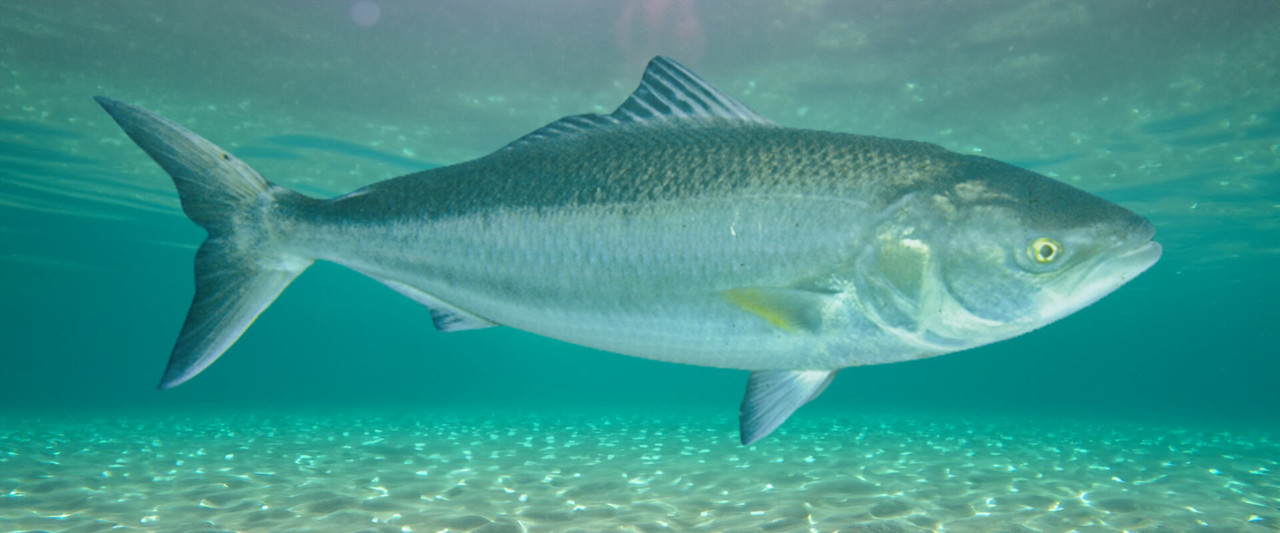
Australian Salmon (Sambos) are highly aggressive, visually driven predatory saltwater fish that hunt in large schools along the coast. While they will strike out of pure instinct, they can also become incredibly fixated on specific bait sizes, ignoring anything that doesn't perfectly match what they are eating. This guide breaks down the core lure styles and techniques needed to consistently catch salmon from the beach or the rocks with lures.
A Note From Our Local Experts
"Over the past few decades, I have been a keen beach and rock angler and have caught plenty of Australian Salmon in this time, especially around Bombo Beach and the Kiama Blowhole point. While I have caught them on baits like pilchards and whole California squid, casting metal spinning lures is an incredibly effective approach that I prefer.
My starting point is always a 40-gram salmon lure—it is an excellent all-round size. Some of my absolute favourites for targeting salmon include the Halco Twisty and Gillies Baitfish. But back in the day, before production stopped, it was the humble Fred Poole Crystal Eye lures that did the damage!
Also, a quick note on Australian Salmon eating quality: anglers often throw salmon back because they are renowned to be poor eating. Not me! If you bleed them immediately and treat the meat right, they make excellent fish cakes. Cooking them transforms the taste completely and makes a fantastic dish."
- Ben Czulowski, Owner, Fishing Tackle Shop
Core Lure Profiles for Salmon
Matching your lure to the environment and the wind conditions is a key to reaching the fish.
✔
Metal Spinning Lures (Slugs & Slices): The foundation of any Australian Salmon lure kit. Their dense, aerodynamic shape allows you to cast incredible distances, which is essential when the school is busting up many metres offshore or when you are casting directly into a stiff ocean breeze.
✔
Soft Plastic Jerk Shads: A highly effective alternative to metals. A 5-inch to 7-inch jerk shad rigged on a 1/2oz to 1oz
jig head provides a very natural, darting action. These are exceptional for working deep beach gutters where the fish are sitting mid-water rather than feeding on the surface.
✔
Long Cast Minnows: Sometimes salmon will track a metal lure right to your feet but refuse to strike. A heavy, aerodynamic hardbody minnow has the potential to give you the casting distance needed to reach the school, but provides a much more realistic, erratic swimming action that can convince educated fish to bite.
Pro-Tips for Salmon Fishing
- Landing Fish Safely from the Rocks: Australian salmon are a solid fish and notorious for aggressive head-shakes right at the edge of the rocks. This is where most bust-offs happen. Never attempt to "dead lift" a heavy salmon up a rock face using just your rod. Be patient, wait for a swell, and use the momentum of the wash to slide the fish up onto a safe, flat ledge.
- The "Burn and Kill" Retrieve: A straight, fast wind will catch fish, but adding a pause is highly effective. Wind rapidly for five or six turns (the burn), then drop the rod tip and stop winding for a split second (the kill). This makes the lure flutter downward like a stunned baitfish, which often triggers an immediate reaction strike from a following salmon.
- Read the Beach: Salmon typically do not swim randomly; they use the structure of the sandbanks. Look for darker, deeper water (gutters) between the sandbars, particularly where water is flowing back out to sea (rips). These are the natural ambush points where salmon wait for baitfish and other food sources to be washed out.
Frequently Asked Questions
Why are the salmon busting up everywhere but completely ignoring my metal spinner?
This is a classic scenario known as a "micro-bait fixation." When salmon are feeding exclusively on massive schools of tiny whitebait or juvenile pilchards, a standard 40g or 60g metal lure simply looks too large and unnatural. You must downsize your presentation to a small 10g-15g metal or a compact soft plastic to accurately match the profile of what they are eating.
Does the tide stage matter when spinning for salmon off the beach?
Yes, tide movement is critical. The most productive time is generally the last two hours of the run-in tide and the first two hours of the run-out tide. The high water volume fills the beach gutters, allowing the larger salmon to push right into the shore break to hunt trapped baitfish.
What rod and reel setup is recommended for casting salmon lures?
For maximum casting distance from the beach or rocks, a long spinning rod between 9ft and 11ft rated for 5-10kg line is ideal. Pair this with a 4000 to 6000 size spinning reel that has a high gear ratio. The high gear ratio is important as it allows you to retrieve metal lures fast enough to mimic a fleeing baitfish without exhausting yourself.
What leader strength should I use for Australian Salmon?
While salmon don't have slicing teeth, they do have very rough, raspy jaw pads that will quickly chafe through thin line during a long fight. A 20lb to 30lb fluorocarbon leader provides the necessary abrasion resistance to survive the fight and the structural hazards of rock ledges, while remaining nearly invisible in the clear ocean wash.