A Tackle Shop Guide to Snapper Lures
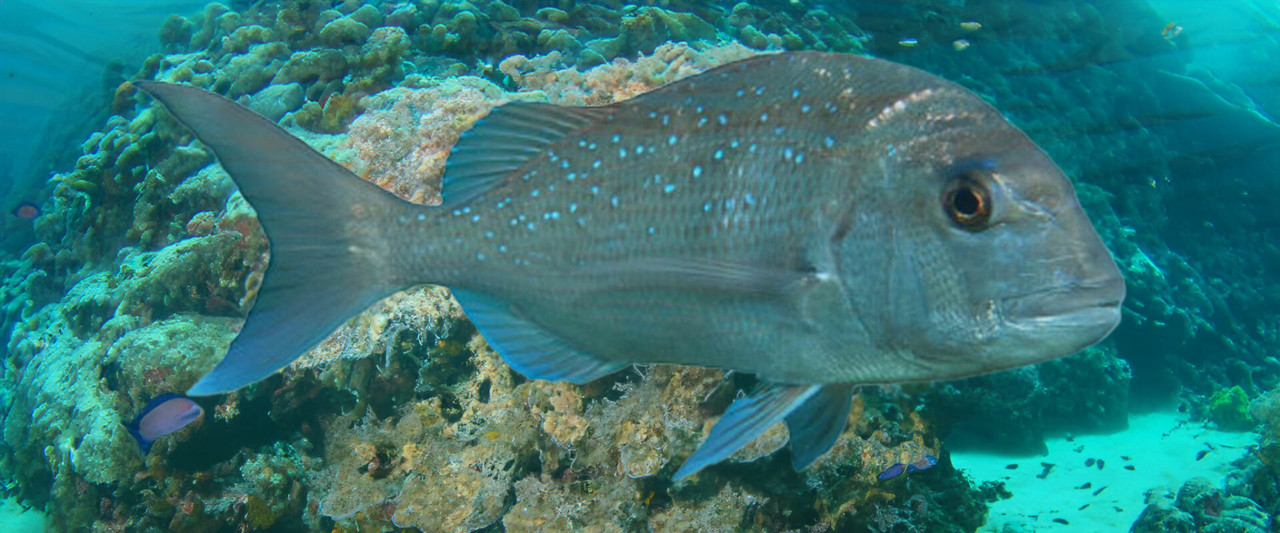
Snapper are intelligent saltwater fish and are visual hunters that respond to a lure's sink rate and colour presentation just as much as its action. Making the switch from bait to snapper lures requires a solid understanding of how to read the current and keep your presentation in the strike zone. This guide breaks down the lure styles, seasonal tactics, and rigging techniques that consistently produce results along the Australian coast when fishing for snapper.
A Note From Our Local Experts
"I've caught a few snapper in my time as an angler over the past few decades, from the inshore versions in Lake Illawarra and St Georges Basin through to the big offshore reef dwellers. One of my absolute favourite ways to target them when I am not bait fishing is on soft plastics, with Berkley Gulp Nemesis and grubs among my top choices.
Why do I like them? A well-fished grub or wriggle tail presents as a piece of squid or cuttlefish leg drifting down through the water column. While a host of colours work well, pink or white are my two top choices for fishing the local Illawarra waters"
- Ben Czulowski, Owner, Fishing Tackle Shop
Soft Plastics for Snapper: Rigging & Hitting the Bottom
Soft plastics dominate snapper lure fishing, but there is a lot to get right. The single biggest factor we see less experienced snapper anglers make is going too light with their jig head. While a slow sink rate is ideal in calm water, if the current or wind drift is strong, your plastic will simply 'scope out' behind the boat and never reach the sea floor when the demersal fish are.
Maintaining bottom contact is the essential key to consistent snapper fishing on plastics; it matters far more than the colour of your lure. When rigging, ensure your plastic is threaded perfectly straight on the hook. A kinked or curved plastic will spin unnaturally in the current and deter wary fish. Always match your hook size to the plastic—a 1/2 to 1oz jig head with a 5/0 or 6/0 hook is the standard for the popular 5 to 7-inch jerk shad profiles.
Going Deeper: Light Jigs & Slow Jigs
When you push out past 30 metres or the current picks up heavily, getting a soft plastic to the bottom becomes difficult. This is where light jigs and slow pitch jigs take over. These metal lures are designed to sink efficiently and flutter erratically on the drop. A slow jig worked with a subtle lift-and-fall technique near the bottom is an effective way to trigger strikes from snapper holding tight to deep structure.
Where & When Snapper Feed on the NSW Coast
Understanding seasonal movements and structure preferences will vastly improve your catch rate. Snapper congregate around solid reef structure, broken rubble patches, artificial reefs, and steep headland drop-offs.
- Local Hotspots: We regularly outfit anglers fishing the offshore Wollongong reefs, the Five Islands, the Port Kembla artificial reef, right down to the Kiama offshore grounds and the deeper ledges at Jervis Bay.
- Seasonal Patterns: The pre-spawn bite through autumn is a prime time for aggressive fish in close. Winter offers excellent deep-water fishing on the wider reefs, while the spring months often see a 'shallow push' where large snapper move right into the wash and shallow kelp beds to feed.
Frequently Asked Questions
Why are pink or white soft plastics and lures so popular for snapper?
These two colours are consistent producers. White is a natural colour for snapper, particularly during the annual cuttlefish die-off, when large numbers of white cuttlefish carcasses float around the offshore reefs. Pink is effective as it mimics the natural tones of squid and small reef fish, providing excellent contrast in the water column.
Why am I missing bites on the drop when casting soft plastics?
Snapper rarely hit a fast-moving plastic on the retrieve; they almost always strike as the lure flutters down. If you aren't carefully watching your slack line as the lure sinks, you could miss the bite. A tiny 'tick' or sudden jump in the slack braid is often your only warning to engage the reel and set the hook.
What rod combos work best for fishing for snapper on lures?
It depends on your location. For inshore snapper in bays or shallow coastal reefs (up to 20m), a 3-6kg or 4-8kg spinning rod matched with a 3000 to 4000 size reel is suitable. For offshore reef fishing in deeper water, you will need to step up to a 5-10kg rod with a 5000 size reel to handle heavier jig heads and extract fish from the rough bottom.
Do I need a different rod and reel for fishing with light and slow jigs compared to soft plastics?
You can often use your soft plastic spinning combo for light jigs. However, a dedicated slow jigging rod features a softer, parabolic bend that works the jig with a smooth, rhythmic action rather than the sharp, fast action of a plastics rod. If you plan to use slow jigs regularly, a specialist overhead slow pitch combo will improve the lure's presentation.
Will throwing a massive 7-inch jerk shad stop me from catching pan-sized snapper?
No, it won't. Snapper are aggressive predators with surprisingly large mouths. Throwing a 7-inch plastic doesn't scare off the legal table fish, but it does act as a filter against annoying pickers like small wrasse and leatherjackets, ensuring your lure stays intact long enough for a quality snapper to find it.