A Tackle Shop Guide to Mangrove Jack Lures
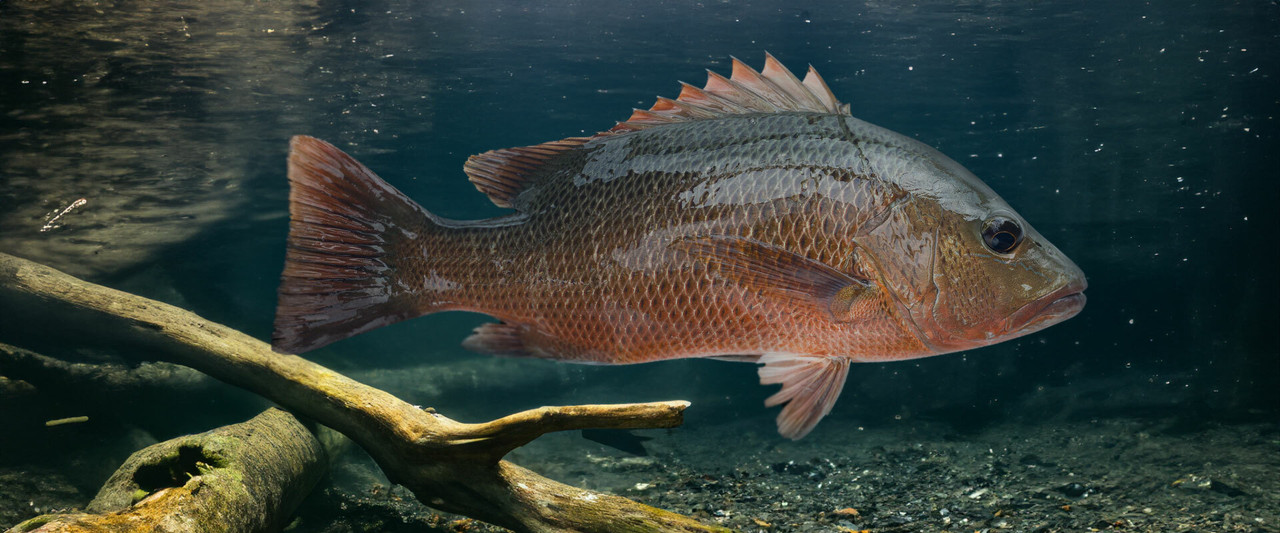
Chasing Mangrove Jacks (often just called 'Jacks') is highly addictive, but it can come with a high casualty rate for your tackle. They live deep in mangrove roots, oyster-crusted bridge pylons, and sunken timber, waiting to ambush passing prey. To catch them consistently, you need to present your lure right in their living room and then have the power to extract them. This guide breaks down the lure styles and tactics needed to try win the fight.
A Note From Our Local Experts
"While we are based in the Illawarra where a Mangrove Jack is an extremely rare catch (I’ve heard of the odd one in Minnamurra River), we outfit hundreds of anglers living in or heading north to places like the Tweed River, the Gold Coast canals, or further into the tropics.
My biggest piece of advice is to mentally prepare for the strike based on my own experience fishing for them during a trip to Melville Island with Shimano Australia. A Jack doesn't just eat a lure; it tries to destroy it and immediately retreats to its snag.
If your drag isn't locked up tight and you aren't ready to turn its head the millisecond it hits, the fight could be over before it begins. It’s all about the 'hit and hold' technique."
- Ben Czulowski, Owner, Fishing Tackle Shop
Mangrove Jack Lure Application Guide
Success relies heavily on putting the right lure in the right part of the water column. Use this table to match your presentation to the environment.
| Lure Style | Target Environment | Preferred Conditions |
|---|
| Surface Lures (Poppers & Stickbaits) |
Shallow flats, over submerged weed, or tight to the mangrove edges. |
Low light periods (dawn, dusk) or overcast, muggy days. |
| Soft Plastics (Weedless Rigged) |
Deep inside heavy timber, fallen trees, and complex mangrove root systems. |
High sun when fish are retreating deep into the shade. |
| Deep Diving Hardbodies |
Rock walls, bridge pylons, and deep river channels. |
Mid-day trolling or casting during strong tidal flows. |
Swipe →
The Soft Plastic Advantage: Weedless Rigging
Casting hardbody Mangrove Jack lures with treble hooks deep into a fallen tree, while incredibly effective, usually means that at some point, a lure is lost. This is where soft plastics shine. By rigging a paddle tail or prawn profile on a weighted worm hook, you can "bury" the point of the hook back into the plastic. This creates a weedless presentation that simply glides over branches and roots. When the Jack bites down, the soft plastic compresses, exposing the hook point for a solid connection.
Hardbody Tactics: The "Crash and Deflect" Method
When casting bibbed minnows around heavy structure, your goal isn't just to swim the lure past a snag; it's to actively interact with it. By intentionally winding your lure's bib directly into a submerged rock, bridge pylon, or mangrove root, you create a sudden change in direction and a break in the vibration. This "deflection" mimics a panicked or stunned baitfish. If you immediately pause the retrieve after hitting the structure, allowing a floating lure to slowly rise or a suspending lure to sit perfectly still, it will frequently trigger a brutal reaction strike from a Jack watching closely from the shadows.
Frequently Asked Questions
What stage of the tide is highly productive for casting lures at Jacks?
The run-out tide is often highly productive. As the water level drops, baitfish and prawns are forced out of the safety of the shallow mangrove roots. Jacks will position themselves just outside the structure on the drop-offs, waiting to ambush any bait that gets flushed out into the open water channels.
How long should my leader be when casting into tight structure?
Keep it relatively short, usually around a rod length or slightly less. A shorter leader means the joining knot (like your FG or Double Uni) sits outside your rod guides when you cast. This prevents the knot from catching on the guides, allowing for the pinpoint casting accuracy you need to land your lure right into the snag.
Are specific lure colours more effective in heavily shaded mangrove roots?
Contrast is the main factor. In the dark, heavily shaded water deep inside a mangrove system or under a bridge, translucent colours can easily get lost. Solid, opaque colours—especially dark profiles like black, gold, or dark red—provide a much stronger silhouette that is easier for the fish to track in the shadows.
When is it actually more effective to troll a diving lure rather than cast at snags?
Trolling a deep-diving hardbody is highly effective during the middle of the day or when the tide is running hard. Slow-trolling close to deep rock walls, retaining walls, or bridge pylons allows you to keep your lure in the strike zone constantly and covers more ground to locate actively feeding fish.
What retrieve speed triggers a strike on a surface lure for Mangrove Jacks?
A fast, erratic retrieve is usually the primary trigger. Using a "walk-the-dog" action with a stickbait or an aggressive, splashing retrieve with a popper mimics a panicked baitfish trying to escape. This frantic movement often provokes a territorial and aggressive smash from a Jack holding near the surface.
Is fluorocarbon or monofilament leader preferred for surviving a Mangrove Jack's habitat?
For Jack fishing, a heavy fluorocarbon leader (typically 30lb to 50lb) is generally preferred. Fluorocarbon is a harder, denser material than monofilament, providing significantly better abrasion resistance against the sharp oyster shells, barnacles, and mangrove roots that these fish will inevitably drag your line across.