100 of 102 Items

Fishing Rods For Sale
Shop spin, baitcaster, surf, rock and boat fishing rods from Shimano, Daiwa, Penn, Ugly Stik and Abu Garcia. Not sure which rod suits you? Our guide below the range helps you choose by where you fish.
How to Choose a Fishing Rod: A Tackle Shop Guide
Start with where you fish and what you're chasing. Once you know those two, narrow it down by length, line rating, action and material. This guide covers each one.
A Note From Our Local Experts
"People often ask us for one rod that will fish the beach, the rocks, the river and the boat. It doesn't exist. If budget's tight, we'd rather sell you two cheaper rods for two different jobs than one rod that fishes poorly at both.
For Australia's rivers and lakes, the length we sell the most is 7 ft, and it's where I'd start most people."
- Ben Czulowski, Owner, Fishing Tackle Shop (Ocean Storm) | 20+ years industry experience
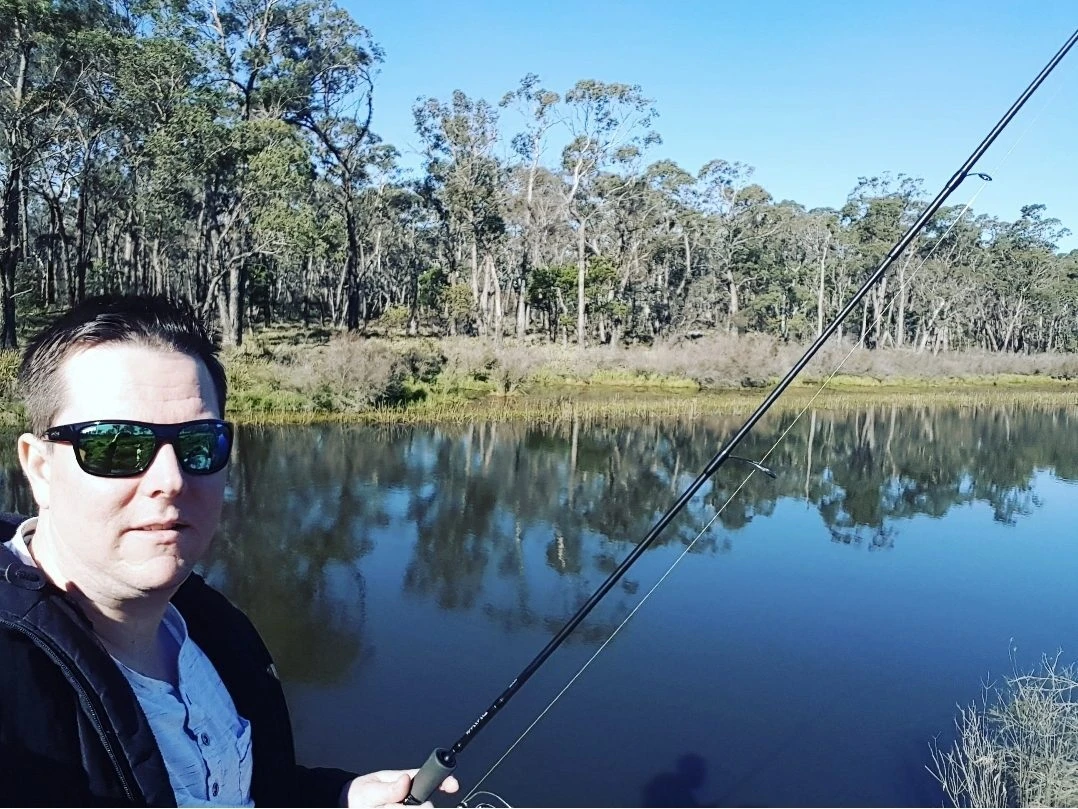
Ben fishing Paddys River in the NSW Southern Highlands with a Daiwa TD Black.
Spinning or Baitcaster Rod?
Spinning rods: The reel hangs under the rod. A spin reel can't backlash the way a baitcaster can, so it's the usual starting point for beginners, although braid can still wind-knot if loose line goes back on the spool. They suit both bait and lures.
Baitcaster rods: The reel sits on top, and you control the spool with your thumb. That gives you fine control over where a lure lands, but it takes practice to avoid backlashes (bird's nests). Anglers commonly use them for barramundi, mangrove jack, queenfish and Murray cod.
Which Rod for Which Style of Fishing
These are the lengths we sell most for each style, with the reel sizes that usually pair with them.
| Style | Length | Reel size | Best for |
| River and lake | 6 to 7 ft | 1000 to 2500 spin | Bream, flathead, bass, trout and whiting on soft plastics, blades, small hardbodies and surface lures |
| Rock | 8 to 10 ft | 4000 to 6000 spin | Spinning lures and fishing bait off the rocks |
| Surf | 10 to 12 ft (6 to 9 ft for sheltered beaches) | 5000 to 8000 spin | Casting bait or lures from the beach, with the longer rods reaching beyond the breakers |
| Boat and jigging | 5 ft 6 in to 7 ft | 4000 to 10000 spin | Offshore reef fishing and vertical or butterfly jigging |
| Game and overhead | 5 ft 6 in to 6 ft | Overhead (lever drag) | Trolling for marlin and tuna |
Specialist Rods
- Squid (egi) rods: Built for the sharp upward snaps that make a squid jig dart, with a sensitive tip to help you feel the take.
- Fly rods: In fly fishing, you cast the weight of the fly line rather than the fly. The line loads the rod and carries the fly out with it, so fly rods are rated by line weight, and the rod and line should match.
- Popping rods: Heavy-duty rods of around 8 to 9 ft, with the strength and casting distance to throw big poppers at giant trevally.
- Travel and telescopic rods: Multi-piece travel rods break down to fit in a suitcase. Telescopic rods slide down into their own handle, and most are inexpensive, so they're an easy way to get kids started.
Graphite or Fibreglass?
Fibreglass: Tough and affordable, and it handles rough treatment better than graphite. It's heavier and less sensitive, but it suits bait anglers and anyone who's hard on their gear.
Graphite and composite: Lighter and more sensitive, so you feel bites more easily. It's the material we recommend for lure fishing, as long as you treat it right (see the tips below).
Pro Tips for Choosing and Using a Fishing Rod
- Read the line rating on the blank: It's usually printed on the blank just above the handle, in kg or lb. Spool your reel with line inside that range so the rod and line work together.
- Check the casting weight too: The lure weight rating, in grams, tells you what the rod is built to cast. Casting lures well over that rating overloads the blank and can break it.
- Match the reel size to the rod: The table above shows the usual pairings. Brands number their sizes differently (a 25 and a 2500 are about the same size), and our spinning reel size guide breaks each size down by line class and target species.
- Don't high-stick graphite: Keep the rod below a 90-degree angle when you're fighting or lifting a fish. Past that, the load moves into the tip section and it can snap.
- Free snags with the rod pointed straight at them: Point the tip at the snag and pull back in a straight line. Whipping a graphite rod up and down to free a hook risks snapping the tip.
Shop by Our Trusted Brands


Why Buy from Fishing Tackle Shop (Ocean Storm)?
- Local experience: We're a local Illawarra tackle shop with 20+ years in the industry.
- Online since 2005: fishingtackleshop.com.au has been selling tackle online since 2005.
- Fast dispatch: In-stock rods are packed and sent fast.
- Advice from anglers: Got a question about a rod? Contact us and we'll help you pick one.
Frequently Asked Questions
What fishing rod should a beginner buy?
We usually suggest a spinning rod of around 7 ft, rated 2 to 5 kg. It covers bream, flathead, whiting and bass in estuaries and lakes, on bait or light lures.
What line rating do I need?
For light species in rivers and lakes, such as bream, flathead, perch and bass, look for 2 to 5 kg. For Murray cod or barramundi, step up to 6 kg or more. A 6 to 10 kg rod covers mulloway and most bigger estuary and freshwater fish.
What do the numbers on a fishing rod mean?
Rods are usually marked with the length, the line rating in kg or lb, the lure weight in grams and the number of pieces. Many also show a PE rating, which is the braid size the rod is designed for.
What does fast or moderate action mean?
Action is where the rod bends. A fast-action rod bends mostly near the tip, so it's sensitive and sets hooks quickly, which suits lure fishing. A moderate or slow action bends further down the blank. It's more forgiving and cushions a fish's lunges, which helps keep hooks from pulling free.
Can I use a rock rod on the beach?
Yes. A rock rod is shorter than most surf rods, so you won't cast quite as far, but you get more control when you're spinning with lures. On sheltered beaches with little swell, a shorter rod is often all you need.
Is there a difference between freshwater and saltwater rods?
Not in what they're made of. Rods are built for use in both fresh and saltwater, and it's the line rating and length that suit a rod to particular species. A 7 ft rod rated 2 to 5 kg is a bream rod whether you're fishing the brackish upper reaches of a river, where the water is almost fresh, or the entrance of a coastal lake by the beach.
need some advice?
Speak to one of our fishing and outdoor gear heads
FREE Shipping
on orders over $100 delivered in Australia *Excl Rods & Bulky Goods
(More info…)
International Delivery
International delivery available
*from $15 *Conditions apply (More info...)

Quick order processing
1-2 day dispatch time *most orders with 1-6 business day delivery time (Aust) *Most orders (excl WA & rural).

Easy Returns
We make exchanging and
returning simple All details can be found here

DELIVERY INSURANCE
Insurance on shipping included.
See Even more reasons on why
buy from us here