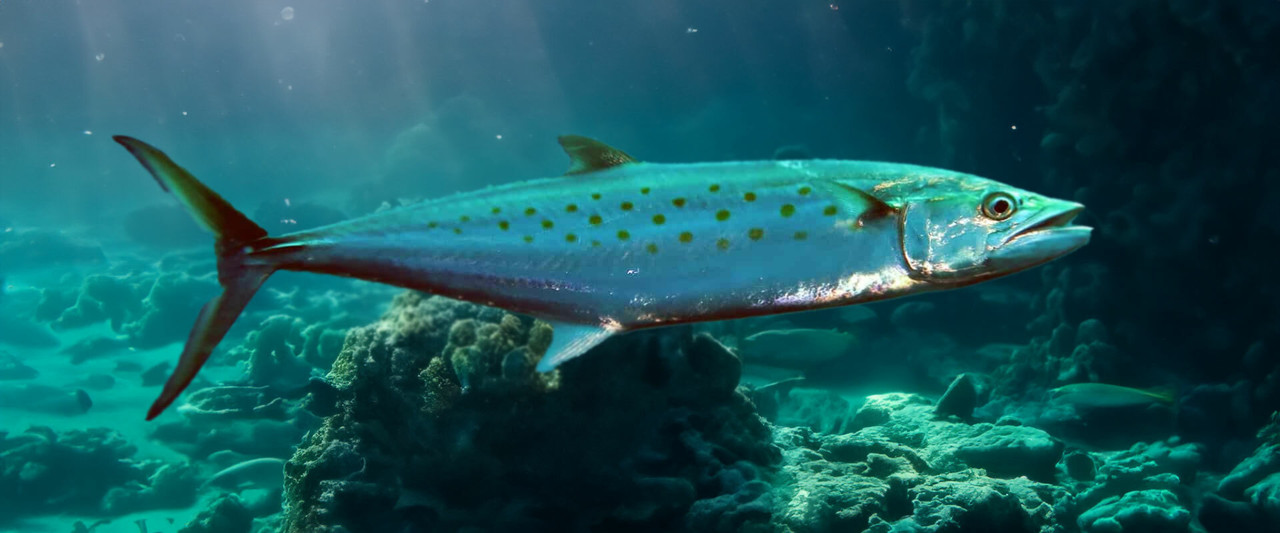
A Tackle Shop Guide to Mackerel Lures
Targeting mackerel requires a highly specific approach to your gear. These fish hunt at incredible speeds, and species like Spanish and Spotted mackerel hit with a ferocity that will easily destroy standard offshore lures. This guide breaks down the core lure styles, trolling speeds, and rigging techniques you need to successfully target all types of Australian mackerel without losing your gear on the first strike.
A Note From Our Local Experts
"While the northern guys get all the glory chasing monster Spanish and Spotted mackerel, down here in the Illawarra, our bread and butter is often the humble Slimy Mackerel. I've spun up hundreds of them from places like Blowhole Point in Kiama and out off the boat.
While they don't have the razor teeth of their northern cousins, they are incredibly fast and will absolutely smash a rapidly retrieved metal spinning lure. They make top-tier live bait for marlin and jewfish, but with proper care and bleeding, they are surprisingly good eating too! I've eaten them and I personally think they are great!
Whether you are heading north for a Spanish or staying local for Slimies, having a selection of high-speed metals and tough hardbodies is the way to go when fishing for mackerel with lures."
- Ben Czulowski, Owner, Fishing Tackle Shop
Mackerel Lure Application Guide
Match your lure style to the depth and how the fish are feeding on the day.
| Lure Style | Target Scenario | Common Target Species |
|---|
| Metal Spinning Lures |
Casting into surface bust-ups from boats or rocks. |
Slimy Mackerel, Spotted Mackerel, School Mackerel. |
| Deep Diving Minnows |
Trolling reef edges and drop-offs at 6-10 knots. |
Spanish Mackerel, Broadbarred Mackerel, Wahoo. |
| Surface Stickbaits |
Casting over shallow reef flats or around bait schools. |
Spanish Mackerel, Spotted Mackerel. |
Swipe →
High-Speed Trolling: Diving Lures
Mackerel thrive on speed. When trolling Mackerel Lures, you want a bibbed minnow that can handle high speeds without spinning out of control or losing its swimming action.
✔
High-Impact Plastic: Avoid brittle plastics. When buying hardbody lures for mackerel, choose lures built with thick, reinforced walls to withstand crushing jaw pressure and sharp teeth, like lures that use ABS or high-tech polymers. Brands we highly recommend include
Halco,
Nomad, and
Rapala.
✔
Through-Wire Construction: Highly recommended for keeping you connected to the fish, but not always essential. While a continuous wire from the tow point to the hook hangers provides great insurance if the lure body cracks, premium brands like Halco engineer their heavy-duty polymer bodies and hook anchoring systems so well that a full through-wire isn't strictly necessary to handle a big Spanish mackerel.
Pro-Tips for Mackerel Fishing
- The Speed Rule: If mackerel are following your metal lure to the boat and turning away, you are winding too slow. You physically cannot wind a reel fast enough to outrun a mackerel. Point the rod tip down and crank as fast as humanly possible to force a reaction strike.
- Match the "Micro Bait": If spotted mackerel are feeding on the surface but ignoring your 60g metal slice, they are likely fixated on tiny "micro bait" like whitebait. Downsize to a smaller, denser 20g-30g lure that matches the bait profile, but cast it on lighter gear so you can still reach the school.
Frequently Asked Questions
Wire trace or heavy fluorocarbon: Which is actually more effective for mackerel?
This is a classic debate. Wire trace guarantees protection against razor-sharp teeth and prevents bite-offs, making it the safest choice for keeping your lure. However, stiff wire can kill a lure's natural action and be highly visible in clear water, leading to fewer strikes. Heavy fluorocarbon (80lb-100lb) is less visible and allows the lure to swim better, which often results in more bites, but carries a higher risk of losing your lure.
How fast should I be trolling my diving lures for Spanish Mackerel?
Mackerel are fast pelagics that respond well to speed. A trolling speed between 6 and 10 knots is generally highly effective. It is critical to use high-quality lures that are specifically designed to track straight at these higher speeds without rolling or blowing out of the water.
My expensive hardbody had all its paint stripped off by one fish. Will it still work?
Yes, absolutely. Mackerel teeth will shred the paint off any plastic or timber lure in seconds. A heavily scratched, clear, or white lure will still catch fish because the aggressive vibration and the speed of the retrieve are what trigger the reaction strike, not just the pristine paint job.
What size metal spinning lure do I need for casting off the rocks?
For land-based mackerel fishing, you need a lure with enough mass to cast long distances and punch through coastal winds. A heavy metal slice in the 40g to 65g range is ideal, allowing you to quickly retrieve the lure across the surface to mimic a fleeing baitfish.