A Tackle Shop Guide to Tailor Lures
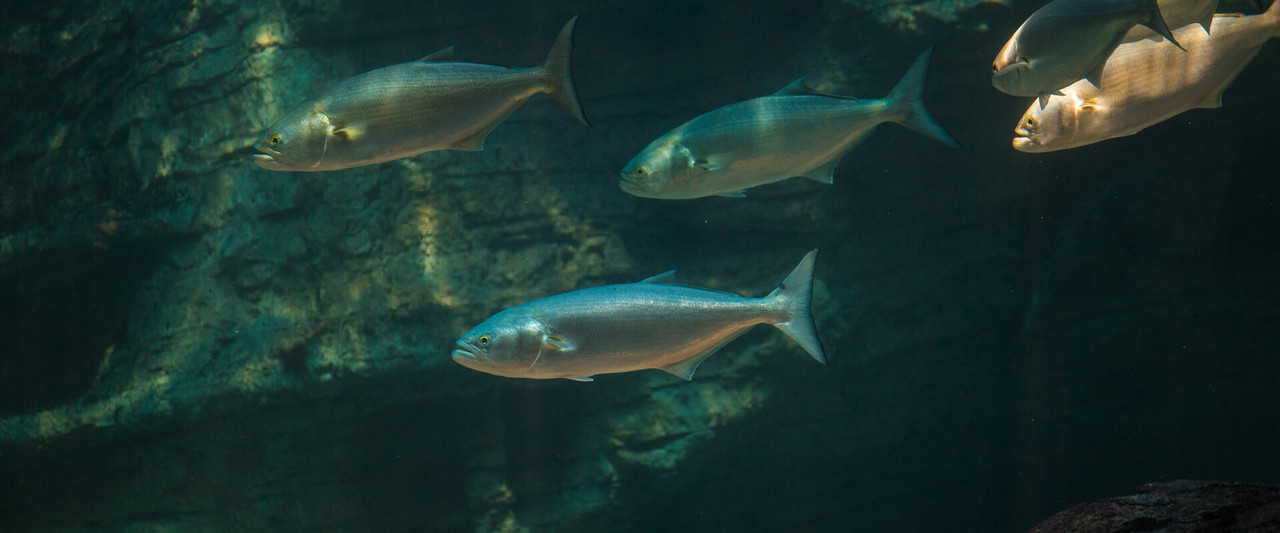
When the large schools push along the Australian coastline, spinning into a boiling surf gutter of 'chopper' tailor is fast and chaotic. These fish slash at their prey, meaning if you throw the wrong profile or wind too slow, you will either get snipped off immediately or completely ignored. Catching them consistently requires lures that cast like a bullet and a retrieve speed that forces a reaction strike.
A Note From Our Local Experts
"I grew up soaking pilchards under a bobby cork for tailor around the Illawarra, especially off the rocks at Kiama, but that is far from exciting compared to spinning. Tailor hit a fast-moving lure with serious aggression.
The biggest mistake I see anglers make is rigging up with thick wire trace to stop bite-offs. I hate wire trace; it completely kills the action of the lure and drastically reduces your strikes. My approach is to use a longer-profile metal slice or a long-casting minnow hardbody, paired with a moderately heavier 30lb-50lb fluorocarbon leader. That longer lure body acts as a physical buffer, keeping those razor teeth away from your knot without ruining the presentation."
— Ben Czulowski, Owner, Fishing Tackle Shop (Ocean Storm) | 20+ years industry experience
Decoding Tailor Lure Profiles
You don't need a massive tackle box for tailor, just the right shapes to match the conditions.
✔
Long-Profile Metal Slices: The absolute staple for beach and rock spinning. A 40g to 60g long-profile slice casts directly into a stiff southerly wind and sinks fast. More importantly, the elongated metal body protects your leader from getting snipped during the strike.
✔
Sinking Minnows & Stickbaits: These make an ideal option when the fish are sitting just behind the breakers and refusing to chase a fast-moving metal. A sinking hardbody lets you hold the lure in the strike zone longer. You accept a higher risk of losing these to teeth, but they will often get a bite when metals fail.
✔
Surface Poppers: Highly effective at dawn and dusk. A medium-sized popper drawing a loud splash across the surface whitewash will pull tailor up from deep gutters for aggressive visual strikes.
Pro-Tips: Retrieve Mechanics & Rigging
- The "Burn" Retrieve: If you feel a sharp tap on your lure, do not slow down. Tailor slash at the tail of baitfish to cripple them. If your lure stops, it looks dead and they turn away. Keep winding fast until the rod actually loads up with the weight of the fish.
- The Paint Myth: Tailor teeth will strip the paint off any lure in seconds. Don't stress about it and definitely don't retire the lure. Tailor hunt based on speed, vibration, and profile. A heavily scarred, paint-stripped hardbody or metal slice will keep catching fish just as well as a brand new one out of the packet.
- Match the Hatch: If you are casting a 60g metal straight into a feeding frenzy and getting ignored, they have tunnel vision for "micro-bait." You are better off dropping down to a tiny 15g or 20g profile to match the tiny whitebait or baitsource they are eating.
Lure Application Guide
Match the lure to the water you are fishing.
| Lure Style |
Target Zone |
Retrieve Speed |
| Long Metal Slice (40g-60g) |
Deep beach gutters, rock platforms |
Fast, straight retrieve. |
| Small Metal Slice (15g-20g) |
Surface bust-ups feeding on micro-bait |
Medium-fast, keeping it near the surface. |
| Sinking Hardbody Minnow |
Just behind the breaking surf zone |
Steady wind with occasional twitches. |
| Surface Popper |
Low light conditions, over shallow reefs |
Aggressive sweeps to create maximum splash. |
Swipe →
Frequently Asked Questions
Can I use soft plastics for tailor?
You can, but it gets expensive very quickly. Because tailor have razor-sharp teeth and slash at their prey, they will bite the tail off a soft plastic on almost every strike. That's why we heavily recommend metal slices or hardbodies—they survive the hit and save you money.
How do our tailor lures differ from our salmon lures?
Tailor and Australian Salmon frequently feed together in the same beach gutters, so they will both happily hit the same metal slices. The main difference is their teeth. Salmon have raspy lips, so if the fish are fussy, you can confidently throw a soft plastic to a salmon without it getting destroyed. If you throw that same plastic at a tailor, it will be in pieces instantly.
Should I swap the factory trebles for single hooks?
A lot of our local beach anglers do this. While a treble hook easily pins a slashing tailor, a single inline hook is much safer when you are trying to unhook a thrashing fish on the sand or rocks. Single hooks also tend to hold much better once they pin the fish in the jaw, reducing the chance of the fish shaking free in the shore break.
Do I need to cast right out the back of the breakers?
Not always. While a heavy metal slice helps you search the deeper water out the back, tailor regularly push baitfish right into the shallow shore break to trap them. We often see fish caught just a few metres off the dry sand in the white water, so always fish your retrieve all the way to your feet.