A Tackle Shop Guide to Whiting Lures
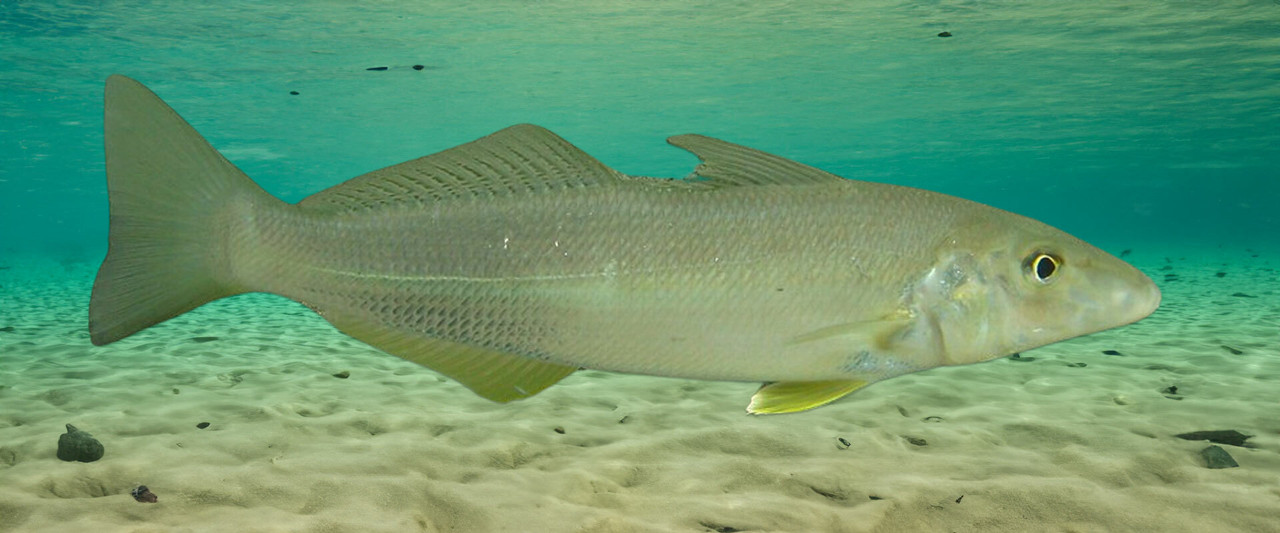
Fishing for whiting on lures requires a different mindset to targeting bream or flathead. Whiting are benthic feeders — their mouths face downward and are designed to suck prey out of sand rather than engulf a lure cleanly. Sand whiting in particular are known to chase fleeing prawns at the surface with genuine aggression, which is the behaviour that surface lure fishing exploits. Keep the lure moving without stopping, and you are imitating exactly that — a prawn making a run for it.
A Note From Our Local Experts
"I have spent a fair amount of time wading the sand flats at Lake Illawarra and down at Erowal Bay in St Georges Basin chasing whiting on the surface. I remember when the surface whiting craze first kicked off — everyone was throwing a clear Rebel Pop-R, which is sadly no longer in production. That lure taught us the basics you still see all over fishing videos today: a whiting lure on the surface needs to keep working. Every time I paused the retrieve, I lost the fish, and that matches what anglers all over the country have reported for decades.
These days, for surface fishing, my personal recommendation is any small, slimline 50mm popper in a clear, translucent colour, or the Bassday Sugapen 70mm in HF-119. That particular colour over clear sand looks exactly like a real prawn. Keep the rod tip high, maintain a constant non-stop retrieve, and let the fish climb all over it.
For bottom fishing, it is hard to beat a small blade or soft plastic worm like the Gulp 2 inch sandworms, especially in natural or bloodworm."
— Ben Czulowski, Owner, Fishing Tackle Shop (Ocean Storm) | 20+ years industry experience
Whiting Lure Profiles — Matching the Lure to the Conditions
You do not need a heavy tackle box for whiting — just the right profiles to match the water surface and depth.
✔
Surface Walkers (Stickbaits): The standard for calm water flats. These lack a cupped face and dart side-to-side across the surface, imitating a prawn trying to escape. On glass-flat mornings, a small stickbait like the Bassday Sugapen walked silently across the surface is one of the most effective whiting presentations available.
✔
Small Poppers (40mm–70mm): A strong option when there is wind chop on the water. The small splash and disturbance cut through the surface noise and draw fish in from a wider area than a silent stickbait. Translucent colours are the proven starting point in clear, shallow water. Make sure it is a slimline popper — some 70mm poppers are designed for bluewater applications and are not suited to whiting fishing.
✔
Worm-Profile Soft Plastics: Fished on the bottom on a light
jig head. Slowly dragged through the sand to kick up small puffs of silt, mimicking a burrowing bloodworm or beach worm. One of the most consistent year-round techniques when whiting are not up on the surface, and the one most anglers underestimate.
Pro-Tips: Rigging and Retrieve
- The Assist Hook Upgrade: Whiting have downward-facing mouths built for digging rather than engulfing surface prey. They frequently nip or slash at the back of a lure rather than fully inhaling it, which is why treble hooks sometimes miss so many fish. Swapping the rear treble for a set of small trailing assist hooks can provide an upswing in hook-up rate — the hooks flutter freely and easily catch the outside of the mouth on a glancing strike. This is consistently one of the most reported rigging changes from our customers and in video presentations online that converts missed hits into landed fish for surface whiting.
- Never Strike at the Splash: When a whiting hits a surface lure, do not strike hard with the rod. If you do, you will pull the lure out of their mouth. Keep winding at the same speed until the rod loads up under the weight of the fish, then maintain pressure.
- The Run-Up Tide: Cast whiting lures over shallow sandbanks as the incoming tide first pushes over them. Rising water can flush yabbies (saltwater nippers) and worms out of the sand, drawing whiting right up into ankle-deep water to actively hunt. This tidal trigger is more reliable than any other single variable.
Lure Application Guide
Match the lure to the water surface and depth conditions.
| Lure Style |
Target Zone |
Retrieve Technique |
| Surface Walker |
Calm water flats, ankle to knee deep |
Continuous walk-the-dog with no pauses. |
| Small Popper |
Choppy surface, slightly deeper drop-offs |
Steady blooping to create a constant splash. |
| Soft Plastic Worm |
Sand channels, weed edges, bottom feeding fish |
Slow drag along the bottom to create silt puffs. |
Swipe →
Frequently Asked Questions About Whiting Lures
Can I use my bream hardbodies for whiting?
You can, and you will occasionally catch one, but some may not be as reliable for whiting specifically. Bream will strike out of aggression at a wide range of profiles. Whiting respond primarily to vibration and movement that mimics their natural prey — a fleeing prawn on the surface or a worm on the sand bottom. A deep-diving or wide-bodied hardbody may not trigger that feeding response in the same way as a slim, correctly sized surface lure, blade or worm plastic does.
What leader should I use for surface whiting lures?
Keep the breaking strain light — around 4lb to 6lb. More importantly, the material matters significantly for surface lures. Monofilament is near-neutral buoyancy and sinks very slowly, which helps keep the nose of a small surface lure sitting correctly on the water. Fluorocarbon is considerably denser and sinks faster, which can drag the nose of a small popper or stickbait under and ruin the action entirely. For soft plastics worked on the bottom, fluorocarbon is the better choice — it sinks faster and sits naturally in the zone where the fish are feeding.
Do I need to fish early morning to catch whiting on lures?
Low light at dawn and dusk is never a bad time to fish, but whiting are more tide-dependent than time-dependent. A mid-morning incoming tide pushing clean water over a sun-warmed sand flat will often produce far better than a dead-low tide at first light. Focus on tidal movement first — specifically the period from when the tide begins pushing over the shallow sand flats — and work the time of day around that.
Are clear surface lures better than solid colours for whiting?
In shallow, clear water over a sand flat, translucent or ghost colours are the consistent performer — and this aligns with decades of angler experience across the country, not just our own time on Lake Illawarra and St Georges Basin. Because whiting approach a surface lure from below looking up against the sky, a clear lure presents a softer, more natural outline that closely resembles a real translucent prawn. Natural shrimp tones and lightly tinted colours come into their own on overcast days or in slightly stained water where a fully clear lure may be harder for fish to track.
What is the difference between targeting sand whiting and King George whiting on lures?
Sand whiting are the species most consistently targeted on lures in NSW and Queensland estuaries, lakes, and coastal flats. They are bottom feeders that move onto shallow sandy ground on the tide and respond readily to surface lures and soft plastics fished on the bottom. King George whiting are commonly found in South Australian and Victorian waters over seagrass beds and reef edges, with juveniles in shallow seagrass beds and adults tending toward deeper channels and gutters. Surface lure fishing is less commonly reported for King George whiting than for sand whiting, with bait fishing on the bottom being the more reliable approach for KG. The size and profile principles — small, natural-looking presentations worked correctly — apply to both species.