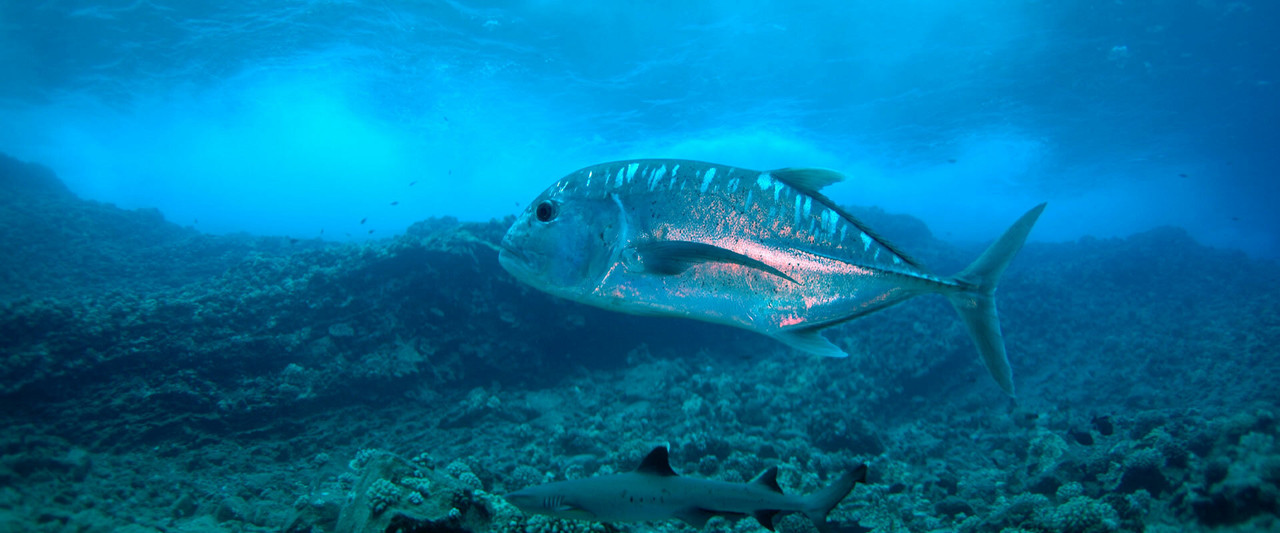
A Tackle Shop Guide to GT & Giant Trevally Lures
When you are gearing up for a reef trip targeting Giant Trevally, standard offshore gear simply will not survive. These fish are aggressive, intelligent hunters that feed on large bait like mackerel, small tuna, and coral trout. They require specific lures built with thick-walled plastics, solid timber, and through-wire construction. This guide breaks down the mechanics of GT lures so you can build a tackle box capable of handling the pressure.
A Note From Our Local Experts
"We often have anglers coming into the shop prepping for a bucket-list trip to the Great Barrier Reef or the Coral Sea, wanting to know exactly what they need to land a GT. My advice is always to focus on the hardware supplied on the lure first. I've seen too many stories of anglers hooking the fish of a lifetime, only to have a cheap split ring open up or a standard hook straighten out in seconds.
A Giant Trevally will find the weakest link in your setup immediately. That is why we stock serious brands like Halco, Shimano, and Nomad that are known to engineer their lures for this exact level of punishment straight out of the box. Always check the strength level of the tackle on the lures and be prepared to upgrade your terminal tackle, and never underestimate the power of a GT."
- Ben Czulowski, Owner, Fishing Tackle Shop
Surface Mechanics: Poppers vs. Stickbaits
Choosing between a popper and a stickbait depends on the water conditions and the behaviour of the fish on the day.
- GT Poppers: Featuring a large, cupped face, these displace massive amounts of water. The loud 'bloop' and huge splash are designed to call fish up from deep coral bombies or cut through heavy surface chop when visibility is low.
- GT Stickbaits: Available in floating and sinking models, stickbaits offer a more natural, subtle presentation. They are highly effective in clear water or when the fish have become cautious and are refusing the aggressive commotion of a popper.
GT Lure Application Guide
Use this simple breakdown to match your lure choice to the conditions on the reef.
| Lure Style | Best Water Conditions | Targeted Action |
|---|
| Large Cupped Popper |
Rough water / Deep reefs |
Maximum noise and surface displacement to call fish up. |
| Floating Stickbait |
Calm / Shallow flats |
Long "S" sweeps and subtle surface ripples. |
| Sinking Stickbait |
Fast current / Pressure waves |
Fluttering on the drop and sub-surface darting. |
Swipe →
The Importance of Heavy-Duty Hardware & Materials
Buying the lure is only the first step. Preparing it for a giant trevally requires a technical approach to rigging and material selection.
✔
High-Impact ABS Plastic vs. Timber: While timber lures are traditional, they are prone to cracking and waterlogging once a GT's teeth puncture the clear coat. Modern high-impact ABS plastics (like those used by
Halco and
Nomad ) are built to withstand punishment and swim exactly the same every time you take one out of the packet.
✔
Through-Wire Construction: A standard screw-in hook hanger on a lot of lures may be torn out by a large GT. Look for lures constructed with a single piece of heavy-gauge stainless steel wire running internally from the tow point to the rear hook hanger to ensure the lure cannot be pulled apart. Halco Aside, which uses a system that is proven to stack up to the challenge.
✔
Inline Single Hooks: Many experienced GT anglers are moving away from traditional treble hooks. Upgrading to heavy-duty inline single hooks provides a much deeper, more secure hold in the fish's tough jaw. It also removes the leverage a fish can use to twist and pry a treble open.
✔
Premium Quality Split Rings: Upgrading your
split rings on lures that don't have strong hardware is a better option. A standard ring will open under the drag pressure required to stop a GT. Heavy-duty, split rings are an essential upgrade before you make your first cast.
Frequently Asked Questions
Should I be casting a popper or a stickbait for GTs?
For drawing Giant Trevally up from deep water or fishing in heavy surface chop, a large cup-faced popper is highly effective. If you are casting over shallow reef flats, or if the fish are easily spooked in clear water, a stickbait provides a more natural, subtle presentation that often triggers a strike when poppers are ignored.
Why are so many anglers swapping out factory trebles for inline single hooks on GT lures?
Inline single hooks provide a deeper, more secure hold in a GT's hard jaw. Crucially, they remove the leverage a fish uses to pry a treble hook open during a brutal fight over the reef and significantly improve angler safety when unhooking a thrashing fish on the deck.
Do I really need to upgrade the split rings on a brand-new, expensive GT lure?
In some cases, yes; checking the strength and often upgrading to split rings rated to at least 200lb is highly recommended. A 30kg Giant Trevally applies immense, sustained torque, and replacing factory rings on some models with heavy-duty, forged split rings allows you to fight harder with less risk of hardware failure. Some brands already include premium HD hardware, so check each individual listing.
Does the size of the popper's 'cup' actually matter?
Yes. A massive cup face displaces a huge amount of water and creates a loud "bloop" to attract distant fish, but it requires significant physical effort to "pop". A smaller cup is easier to work for long periods, reducing angler fatigue, which is an important factor during a multi-day reef trip.
Can I cast these heavy lures on my standard offshore spinning rod?
Generally, no. Casting a 100g to 200g timber or high-impact ABS plastic lure requires a dedicated PE8 to PE10 popping or stickbait rod. Using a standard, lighter offshore rod risks snapping the blank during the cast and will not have the backbone required to stop a GT from reaching the reef.