A Tackle Shop Guide to Trolling & Game Lures
Success in game fishing isn't about luck; it’s about the "spread." You are creating a fake school of panicked baitfish behind your boat, using a mix of vibrations, splashes, and silhouettes. This guide breaks down the practical differences between skirted lures, diving minnows, and teasers to help you build a spread that actually raises fish, based on our twenty years of sales data and local feedback.
A Note From Our Local Experts
"I'll be the first to tell you, my personal boat isn't geared up big time for game fishing; I've done a bit but my passion has always been centred around light tackle and sport fishing. But I’ve been running this shop for over 20 years, and I know exactly what the guys who are fishing the local tournaments are buying. Our sales records tell a very clear story.
For skirted lures and teasers, Pakula and Fat Boy are our two biggest-selling brands by a long way. When it comes to hard body trolling lures, Halco is the name our customers often buy more than most other brands. I listen to the feedback that comes back out of the the Kiama and Shellharbour ramps and try and stock the brands and models that are producing. My advice isn't based on my own trophy room, but on hundreds of successful trips from our regulars who rely on these specific brands to see results."
- Ben Czulowski, Owner, Fishing Tackle Shop (Ocean Storm)
Understanding Lure Profiles: Skirts vs. Divers
The geometry of a lure determines its "smoke trail" and its depth. Matching the profile to your boat's speed is the foundation of a good spread.
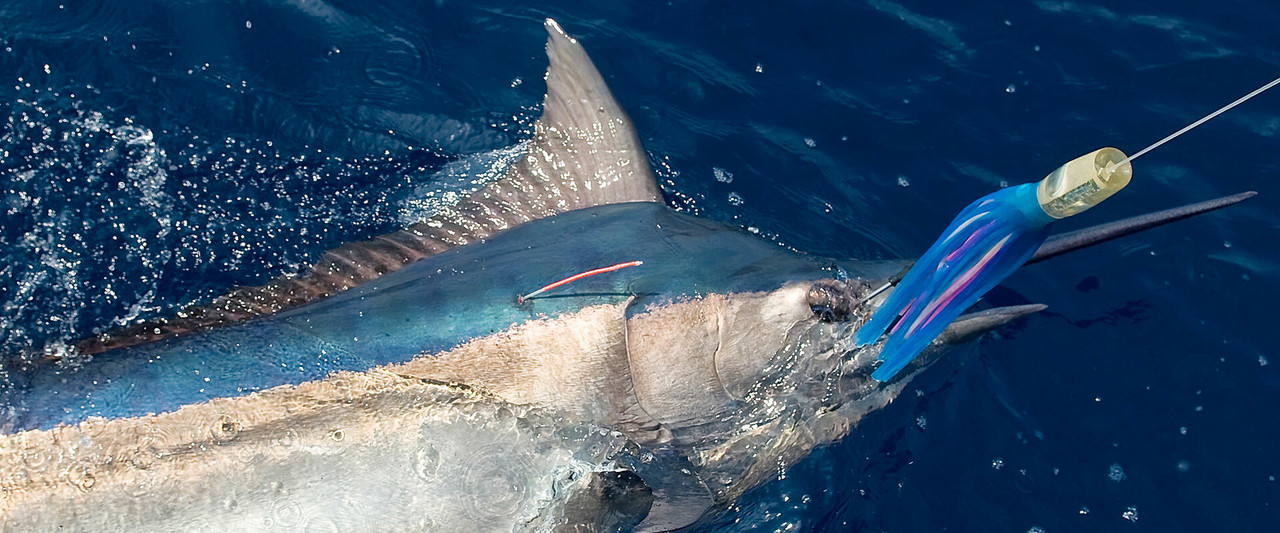
- Skirted Lures (Pusher Heads): These are the standard for marlin and tuna. They stay on or near the surface, creating a bubble trail (the 'smoke'). Brands like Pakula and Fat Boy are preferred because their head shapes are precision-engineered to stay stable at higher speeds without spinning or popping out of the water.
- Diving Lures (Bibbed Minnows): These use a plastic lip to dive deep and are the top choice for kingfish and mackerel. Halco is our most popular brand here because their bibs are incredibly tough and they maintain a consistent vibration even when you're pushing the speed.
- Bibless Minnows: Built for high-speed stability. Because they don't have a protruding bib, they can often be trolled at much higher speeds (up to 15 knots) than bibbed divers, making them a top choice for covering vast areas when searching for tuna schools.
Technical Focus: The Role of the Teaser
A teaser doesn't have hooks; its only job is to provide the visual commotion needed to bring fish into your lure spread. It’s a piece of gear that many small-boat anglers overlook, but one that many game anglers across Australia swear by.
✔
The "Dinner Bell" Effect: Teasers from brands like Pakula can mimic the commotion of a large predator feeding on a bait school. This sends vibrations through the water that pelagics feel from a distance. The added benefit is all the flash that mimics the erratic movements of baitfish. Once the fish is raised to the boat, it spots your hooked lures and strikes.
Pro-Tips for an Effective Spread
- The "Clean Water" Rule: Predators find it hard to track a lure in the white, bubbly foam of your prop wash. Position your gear on the "shoulders" of the wake—the clean, blue water on either side—where the silhouette of the lure is sharp and visible.
- Set-Back Distance: As a general rule, run your diving lures closer to the boat and your skirted lures further back. The furthest lure in the spread is often called the "Shotgun" and is usually a small, fast-moving bullet-head lure designed to catch those wary fish trailing the school.
- Hook Rigging: For skirted lures, the "Single Hook" rig is gaining massive popularity over traditional rigs. A single J-hook allows the lure to swim with better action and results in much safer de-hooking for catch-and-release marlin fishing.
Frequently Asked Questions
What is the preferred trolling speed for game lures?
It depends on the lure type. Bibbed diving lures like Halcos usually perform best between 4 and 7 knots. Skirted lures from Pakula or Fat Boy are more versatile and can be run from 6 knots up to 10+ knots. The key is to watch the gear; if they are spinning or blowing out, you are going too fast.
Do I need to use wire trace for all game fishing?
Only if toothy predators like Mackerel or Wahoo are around. For Marlin and Tuna, a heavy monofilament or fluorocarbon leader (150lb to 300lb) from brands like Jinkai is preferred. Mono is harder for the fish to see and doesn't interfere with the lure's swimming action as much as wire does.
Why are Pakula and Fat Boy so popular for skirted lures?
It comes down to reputation and results. These brands have spent decades refining their head shapes and skirt materials to ensure they "breathe" and pulse correctly in the water. Our sales data shows that when the bite is on, these are the lures that local experts are coming in to restock.
Which lure colour is preferred for offshore trolling?
Natural colours like blue/silver and purple/black are great for clear, sunny days. In overcast conditions or at first light, brighter high-contrast colours like chartreuse, pink/white, or "lumos" (glow) are often more effective as they are easier for predators to spot in the gloom.