A Tackle Shop Guide to Trout Lures
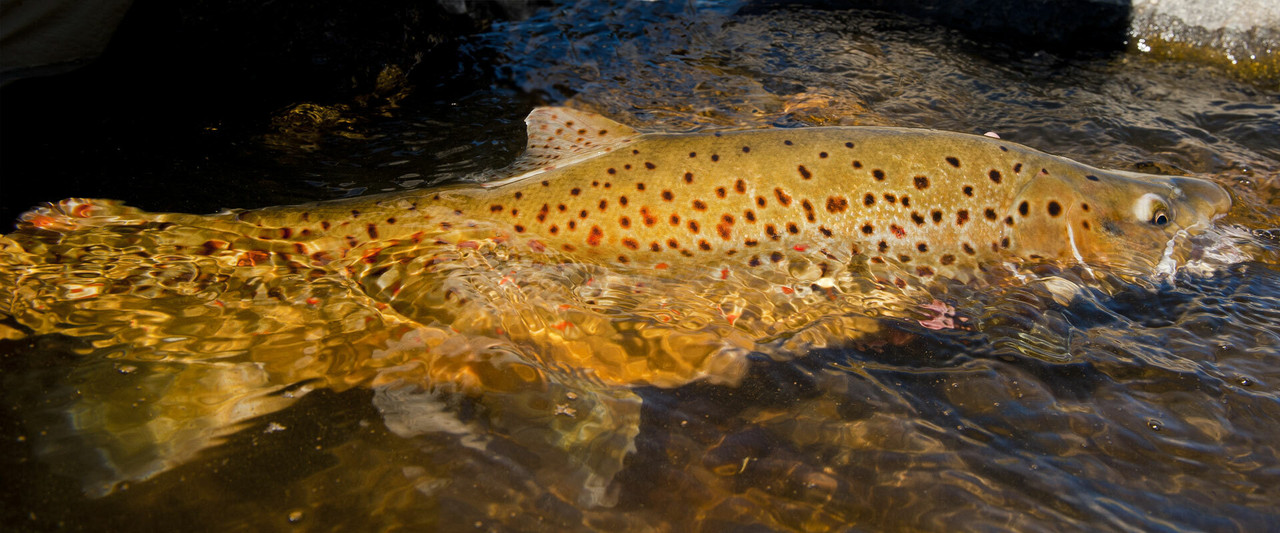
Trout fishing is a highly visual game. Because these fish live in clear alpine lakes and fast-flowing streams, they rely heavily on their excellent eyesight to feed. If your lure doesn't behave exactly like a struggling baitfish, insect, or yabby, they will swim right up to it, inspect it, and turn away. Catching them consistently means understanding how water flow affects your lure and knowing when to use a loud, vibrating presentation versus a subtle, natural one.
A Note From Our Local Experts
"My go-to approach at places like Pejar Dam is usually soaking Powerbait and Gulp nuggets on a small hook with a split shot sinker rig. It works, and it's a very relaxing way to fish, but throwing lures is a completely different challenge.
If I am casting lures instead of artificial baits, my personal recommendation for impoundment and deeper water fishing is a small soft plastic wriggler (2inch) rigged on a jig head that has a spinning underspin blade, like the TT Rev Heads. The combination of the plastic's natural tail action and the metallic flash of that blade is a massive trigger for shut-down trout. If you already have a box full of standard jig heads, you can easily retrofit them with the add-on blade spinners we sell to get that exact same effect."
— Ben Czulowski, Owner, Fishing Tackle Shop (Ocean Storm) | 20+ years industry experience
Decoding Trout Lure Profiles
Different waterways require entirely different lure mechanics. Here is what you need for each environment.
✔
Inline Spinners (Blades): A classic river lure. As the metal blade spins around the wire shaft, it creates a high-frequency vibration and flash. This triggers an aggressive, territorial strike from trout holding tight behind rocks in the rapids.
✔
Specialist Trout Hardbodies: Whether they are floating or suspending minnows, these give you more control for working the edges. Cast them tight against undercut banks or sunken logs where brown trout ambush prey, using sharp twitches to make them dart like a wounded baitfish.
✔
Winged Wobblers (e.g., Tassie Devils): The absolute standard for Australian lake trolling. Their unique winged shape creates an erratic, sweeping action at slow trolling speeds (around 2 to 3 knots) that draws fish up from deep thermoclines.
✔
Soft Plastics (Paddle Tails & Grubs): Highly effective in both lakes and slow rivers. Rigged on a light jighead, they offer the most natural, subtle presentation for wary fish that are refusing the harsh vibration of hardbodies or metal spinners.
Pro-Tips: River Mechanics and Tuning
- Cast Upstream, Wind Downstream: Trout almost always sit facing upstream, waiting for the current to bring food to them. If you cast downstream and wind back up against the current, the lure comes at them from behind and spooks them. Cast upstream and wind back slightly faster than the current is flowing.
- Tuning for the Rapids: If your hardbody minnow is blowing out and spinning in circles in fast water, do not throw it away. It just needs tuning. Take pliers and gently bend the front tow point a fraction of a millimetre in the opposite direction that the lure is blowing out until it tracks straight.
- The Contrast Rule: In dirty, muddy water after heavy rain, avoid using natural, translucent colours. Tie on a solid colour lure. A lure with more of a solid dark colour or bright colour as opposed to a natural finish can create a much sharper outline against muddy water, making it much easier for trout to actually see the lure.
Lure Application Guide
Match the presentation to the water you are fishing.
| Lure Style |
Best Environment |
Retrieve Technique |
| Inline Metal Spinner |
Skinny alpine creeks, shallow rivers |
Steady wind, feeling the blade pulse. |
| Specialist Trout Hardbody |
Undercut banks, slow river pools |
Sharp twitches to make it dart sub-surface. |
| Winged Wobbler (Tassie) |
Large alpine lakes and dams |
Slow trolling from a boat or kayak. |
| Soft Plastic |
Dam drop-offs, weed bed edges |
Slow roll with occasional pauses. |
Swipe →
Frequently Asked Questions
Do I need a different type of lure for catching brown trout to one I'd use for rainbow trout?
Not always, as there is a lot of crossover with the models we sell. A good inline spinner or winged wobbler will happily catch both. However, their feeding behaviour is quite different. Rainbow trout are generally more inquisitive and will aggressively chase fast-moving, brightly coloured lures. Brown trout are calculated ambush predators that hold tight to structure. You can often use the exact same hardbody lure for both, but you might need to change your technique—slowing your retrieve right down and using subtle twitches when casting at a log for a brown trout.
Can I catch other fish on trout lures, perhaps redfin?
Absolutely. Trout lures are effectively just small, highly detailed freshwater baitfish imitations. Our inline spinners, small diving hardbodies, and finesse soft plastics are incredibly effective on redfin, yellowbelly, and Australian bass. A small bladed spinner, in particular, is one of the most reliable lures you can cast into a school of hungry redfin in a local dam.
What type of combo is best to fish trout lures?
It depends on where you are fishing. If you are casting in streams and rivers, you want a very light setup to cast small 3g to 5g lures accurately. A 1-3kg or 2-4kg graphite spin rod paired with a 1000 or 2000 size reel is ideal. If you are trolling lakes with winged wobblers, a slightly heavier fibreglass or composite rod (around 2-4kg or 3-5kg) paired with a 2500 size reel is better, as the softer rod absorbs the constant heavy vibration of the trolling lure without pulling the hooks.
Where are the popular trout fishing spots in Australia for lures?
The Snowy Mountains in NSW is the mainland hub, with Lake Eucumbene and Lake Jindabyne dominating the lake trolling scene, while the Thredbo and Eucumbene rivers are famous for stream casting. In Victoria, the Goulburn River system and the high country lakes are very popular. Tasmania is world-renowned for its trout fishery, particularly the Central Highlands (Great Lake, Arthurs Lake). Locally in NSW, dams like Pejar Dam and Thompsons Creek Dam are highly productive spots for throwing plastics and metals.
Are UV or fluorescent painted lures actually effective on trout?
They absolutely are, but it depends on the depth. In shallow, clear streams, natural patterns usually win. However, if you are trolling deep lakes (like Eucumbene or Jindabyne) down at 10 or 15 metres, standard colours lose their visibility. UV-painted lures reflect ultraviolet light, which penetrates much deeper into the water column, making the lure 'glow' and stand out to trout patrolling the deep thermoclines.