A Tackle Shop Guide to Redfin Lures
Catching redfin consistently isn't about having a massive tackle box; it is about understanding their anatomy and how they relate to structure. These fish will strike out of pure aggression, but if your lure is too large or running at the wrong depth, you will end up with short-strikes or ignored casts. This guide breaks down the core lure profiles and rigging methods that our customers continuously report success with across NSW waterways.
A Note From Our Local Experts
"I've caught a lot of redfin over the years, and while soft plastics are my primary choice, I certainly don't mind throwing small spinnerbaits either. I've fished places like Scrivener Dam and Paddy's River up in the Highlands, but my all-time favourite spot to target them is the Goulburn Waterworks.
Many anglers have different opinions on colour, but my personal favourite approach is using a black grub—something similar to a Pro-Lure Grub Tail or a Berkley Gulp Swimming Mullet. I just find black produces incredibly consistent results.
At Goulburn, I have the most success targeting the river edges and around the weed beds, and I often find I need to run the lures quite deep to find the fish. When I'm fishing plastics in these areas, I highly prefer to use a jig head fitted with a small blade spinner. It gives the plastic that extra flash and attraction needed to pull them out of the thick weed and swipe the lure."
- Ben Czulowski, Owner, Fishing Tackle Shop
The Anatomy Factor: Why Downsizing is Crucial
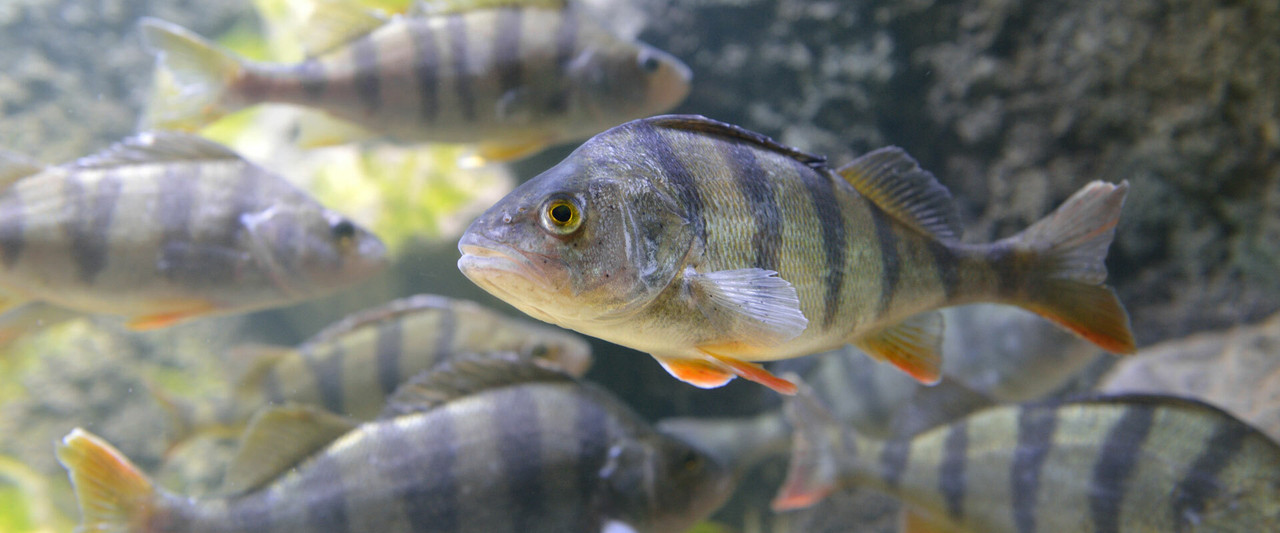
The single most important technical adjustment for redfin fishing is lure size. While a 40cm redfin has a thick, broad body, its mouth is surprisingly small compared to species like flathead or bass. If you use standard 100mm estuary lures, the redfin will aggressively nip at the tail but rarely inhale the hooks. The proven "sweet spot" for redfin is scaling down to 40mm to 70mm for diving hardbodies, and 2-inch to 3-inch profiles for soft plastics. This ensures that when they strike, the entire lure fits inside their mouth for a secure hook-up.
Core Lure Profiles for Redfin
Redfin respond well to vibration and tail action. Here are the most consistent performers:
✔
Curly Tail Grubs & Paddle Tails: A 2-inch to 3-inch grub or paddle tail is the foundation of a redfin kit. The constant tail vibration works effectively even at very slow retrieve speeds.
✔
Small Spinnerbaits & Bladed Spinners: The flash and "thump" of a spinning metal blade are major aggression triggers. Small spinnerbaits are incredibly effective for working through heavy timber and weed edges where redfin hide, as the wire arm helps deflect snags.
✔
Lipless Crankbaits & Vibes: These sinking lures provide a tight, high-frequency vibration. They are excellent "search baits" for locating schools in deeper water or across open flats in impoundments.
Rigging for Deep Weed Edges
As noted by our experts, redfin frequently hold deep alongside weed lines and river drop-offs. To effectively target them without constantly fouling up a lure like a hard body in the vegetation, try rigging a 2 or 3-inch soft plastic on a bladed jig head (sometimes called a pony head) . This allows you to fish the plastic deep and slow, while the attached underspin blade provides continuous flash and vibration to draw the fish out of the cover.
Frequently Asked Questions
Does water clarity change which lure colour I should use for redfin?
Yes, it plays a major role. In crystal-clear highland impoundments, natural, translucent patterns that mimic local baitfish or shrimp are often the most productive. However, in heavily stained river systems or muddy farm dams, you need a colour that stands out. This is where bright, fluorescent colours or a solid, dark silhouette like black become highly effective as they are much easier for the fish to track in low visibility.
What type of structure should I look for in places like dams?
Redfin are structure-oriented ambush predators. In large impoundments and dams, focus your casting around submerged standing timber, rocky points, and specifically along the steep drop-offs of established weed beds. They use these areas to hide and wait for passing bait.
How do redfin behave differently in the colder winter months?
During the colder months, redfin tend to school up very tightly and sit close to the bottom in deeper water. This makes them slightly harder to locate initially, but once you find one, there are usually dozens more in the exact same spot. If you get a strike, cast back into that precise area immediately.
Are redfin active surface feeders, or do I need to fish the bottom?
While they will occasionally hit a surface lure during a very active feeding frenzy, redfin are primarily mid-water and bottom feeders. The most consistent technique is to allow your lure (especially soft plastics and vibes) to sink and work it slowly near the bottom structure.
Why are creature baits effective for this species?
Creature baits mimic the small yabbies, freshwater shrimp, and insects that form a massive part of a redfin's natural diet in Australian rivers and dams. The multiple appendages flutter and vibrate on the drop, presenting a highly realistic meal when hopped slowly across the bottom.