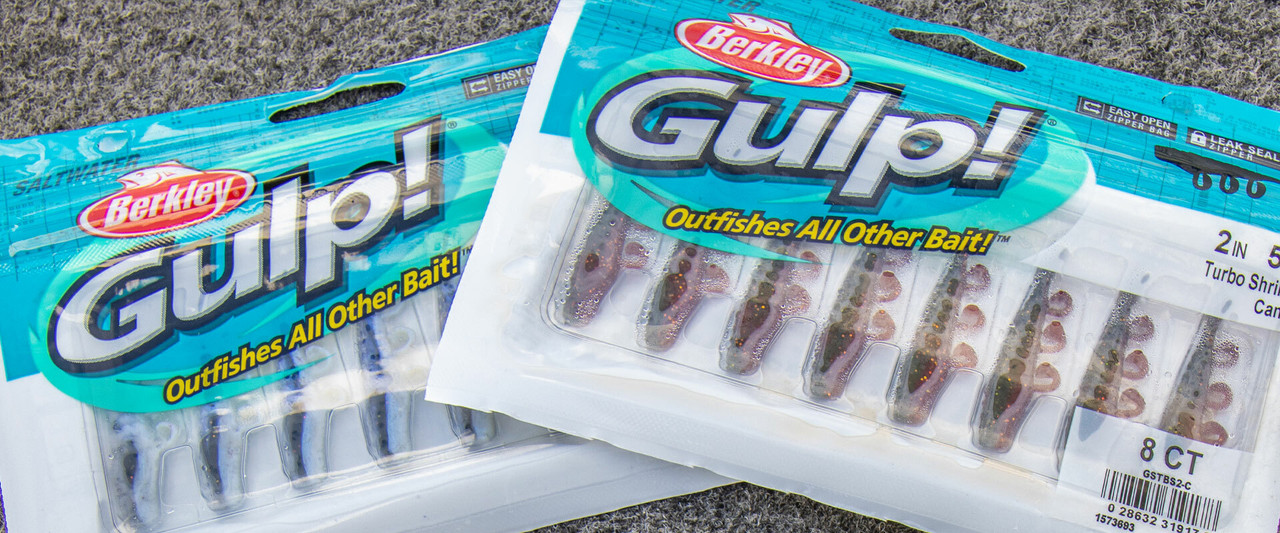
A Tackle Shop Guide to Berkley Gulp Lures
Entering into the soft plastics section, it's easy to assume everything is made of the same material. But Berkley Gulp sits in a category of its own. Because these fishing lures are made from natural, food-based ingredients rather than traditional PVC, they behave differently in the water and require specific care to perform at their peak. This guide breaks down the technical details of the "Gulp Lure Advantage."
A Note From Our Local Experts
"In the shop, I often tell customers that Gulp is the 'bridge' between bait and lures. I've spent many sessions on Lake Illawarra and the Shoalhaven River and other inshore waterways where the fish were being incredibly finicky. In situations like this, an unscented plastic I find can get a look but no commitment.
However, I’d often switch to a Gulp in one of my favourite patterns, the Watermelon Pearl Minnow, and found that these produced well, especially on flathead. It seems that when using Berkley Gulp, the feeding response changes."
- Ben Czulowski, Owner, Fishing Tackle Shop (Ocean Storm)
The Science of Scent: Water-Based vs. Oil-Based
Most soft plastics are oil-based. Scented oils are often applied to the outside, but because oil and water don't mix, the scent trail is limited. Berkley Gulp is water-based. This allows the attractant to "dissolve" into the water column as you work the lure, creating a massive scent trail that calls fish in from a distance. Because the material is porous, it acts like a sponge, soaking up the Gulp attractant and releasing it continuously during your retrieve.
Managing Your Lures: The Dehydration Problem
Because Gulp is made from natural materials, it will dry out and turn rock-hard if left in the sun or on your rod tip overnight. If your lure feels like a piece of wood, it has lost its moisture. While you can sometimes "recharge" them by putting them back in the liquid, they rarely regain their original suppleness once fully dehydrated. The smartest move is to clip your lure off at the end of the session and put it back in the packet or a Gulp-safe container.
Critical Storage Rule: The "No-Mix" Policy
✖
Do Not Mix with Standard Plastics: The chemicals in Gulp will react with standard PVC plastics (and especially TPE materials like Z-Man). This reaction causes both lures to melt into a sticky, unusable mess that can ruin your tackle trays.
✔
Use Gulp-Safe Containers: If you don't like the original packets, use a dedicated, gasket-sealed container. Standard tackle trays often leak the Gulp scent liquid, which can be messy and will eventually lead to your lures drying out.
Frequently Asked Questions
What is the liquid in the Gulp packet, and can I use water?
The liquid is a concentrated "Recharge" formula specifically designed to be absorbed by the Gulp material. Never use tap water; the chlorine and minerals can damage the natural material and will dilute the scent. We recommend using Berkley Gulp Recharge liquid to keep your lures effective and supple.
Is Berkley Gulp actually biodegradable?
Yes. Unlike standard soft plastics made from PVC or Plastisol, Berkley Gulp is made from natural, starch-based materials. If a fish eats a Gulp lure or if it is lost in the water, it will break down significantly faster than a traditional plastic, making it a more environmentally conscious choice for Australian waterways.
Why is Gulp so effective for Snapper and Flathead?
Snapper and Flathead are both heavily reliant on their sense of smell when hunting. Profiles like the Nemesis and Jerk Shad produce a great visual action, but it's the constant scent dispersion that convinces these species to strike and, more importantly, to "chew" the lure rather than spitting it out instantly.
Can I use Gulp with a standard jig head?
Absolutely. However, because the material is slightly more rigid than standard plastic, we recommend using a jig head with a solid "grub keeper" or a slightly larger barb like the Berkley Nitro Jig Head range. This prevents the lure from sliding down the hook shank during a powerful cast or after a missed strike.
Are Gulp lures better for saltwater or freshwater fishing?
Gulp is highly effective in both because it bridges the gap between visual action and scent. In saltwater, the flickering tail of a Minnow or Grub profile mimics the movement of a swimming prawn or baitfish. In freshwater, that same undulating action represents a swimming leech or a large worm. The Gulp scent doesn't 'change,' but it provides the chemical confirmation (smell and taste) that convinces a fish to commit to the strike once they've spotted the movement.