A Tackle Shop Guide to Fishing Floats
Choosing a float can seem simple until you're faced with dozens of different shapes and weights. The key is to understand that a fishing float’s design is more so dictated by two things: the water conditions and how much weight you need to cast. This guide breaks down the mechanics of float fishing to help you pick the right model for your next fishing session.
A Note From Our Local Experts
"In the shop, I often see anglers overlook floats as 'beginner gear for avoiding snags,' but talk to any serious luderick or garfish angler, and they’ll tell you it’s one of the most technical parts of their kit. Personally, before I moved heavily into lure fishing, I spent many sessions along the Kiama Harbour breakwalls where floats mattered.
When I was tossing pillies off the breakwall for tailor, I’d always use a float. I find that fish like tailor often take baits just below the surface, and by using a float, I could keep my presentation exactly in that strike zone. If I were to just cast a pilly and let it sink to the bottom, the only thing I might have caught is the pickers! There are times when using a float is important, and this is just one situation, other than avoiding getting snagged, where it completely changes your results."
- Ben Czulowski, Owner, Fishing Tackle Shop (Ocean Storm) | 20+ Years Experience
Understanding Float Styles: Which One Do You Need?
The shape of the float determines how it behaves in the wind and current. Matching the style to your environment is the first step to better fishing.
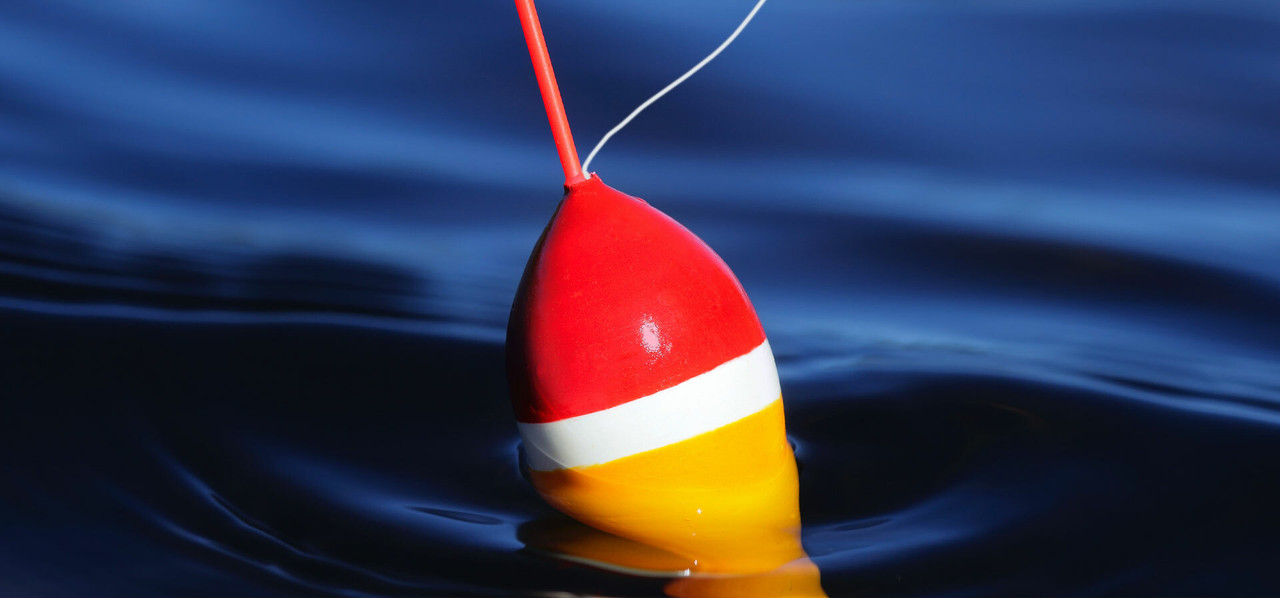
- Bobby Corks: These are the classic 'fat' floats. Their high buoyancy makes them a top choice for rough water, like rock fishing or heavy surf. They can often support heavy baits like pilchards and squid and moderate-sized sinkers without being dragged under by the wash.
- Pencil & Stem Floats: These are long and thin. They offer very little resistance when a fish bites, making them essential for 'finesse' species like garfish or whiting. Because they are aerodynamic, they also cast very straight, even in a breeze.
- Luderick (Blackfish) Floats: These are specifically weighted and balanced to be highly sensitive. They are designed to sit low in the water so that even the slightest 'down' from a luderick is instantly visible.
Technical Focus: Fixed vs. Slip Floats
This is a critical distinction in float fishing, and it’s all about the depth of the water you’re fishing.
✔
Fixed Floats: These attach to your line at a set point (usually with a rubber sleeve or clip). They are perfect for shallow water, but they become difficult to cast if you want to fish deeper than the length of your rod.
✔
Slip Floats: A slip float has a hole through the centre, allowing it to slide up and down your line. You use a 'float stopper' (a small plug or silicone rubber bead) to set the depth. This allows you to fish metres deep while still being able to wind the float right up to your rod tip for an easy cast.
Pro-Tip: How to "Shot" a Float for Maximum Sensitivity
If your float is sitting too high out of the water, a fish will feel the resistance when it pulls and will likely drop the bait. The secret is "shotting." You want to add enough split-shot sinkers to your line so that only the brightly coloured 'tip' of the float is visible. When a float is perfectly balanced, it takes almost zero effort for a fish to pull it under, leading to a much higher hook-up rate.
Frequently Asked Questions For Fishing Floats
Why is my float laying flat on the water instead of standing up?
This almost always means you don't have enough weight (sinkers) below the float. Most floats require a specific amount of lead to 'sit' them upright. Add small split-shot sinkers to your line until the float stands vertically. If it still lays flat, your bait might be sitting on the bottom, meaning you need to adjust your float stopper further down the line to shorten the depth.
What is the best float for catching Garfish?
For surface feeders like garfish, a small, lightweight pencil float is the top choice. These species are easily spooked, so you want a float that makes a minimal splash on entry and offers almost no resistance when they move off with the bait.
Can I use braided line with a slip float?
You can, but it requires care. Because braid is so thin and supple, float stoppers can sometimes slip or get tangled. We recommend using a short length of monofilament or fluorocarbon leader where the float sits, as the stiffness of the mono helps the float slide more reliably and provides a better surface for the stopper knot to grip.
Which Bobby Cork float colour is best?
This depends on available light. On bright, sunny days with a lot of glare, a mirror float is an excellent choice. Beyond providing buoyancy, it reflects flashes of light that can mimic a school of panicked baitfish, attracting predators. For overcast days or night fishing, a standard high-visibility white and fluorescent bobby cork is more practical. Mirror floats give you a specific technical advantage in high-sun conditions.