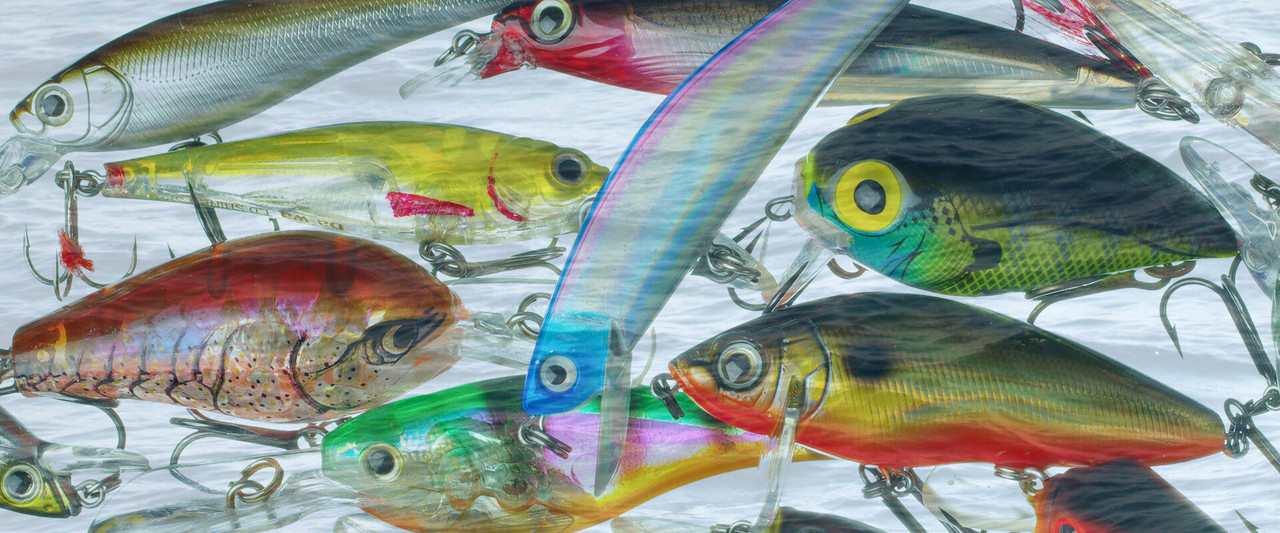
A Tackle Shop Guide to Affordable & Value Lures
In the tackle industry, the word "cheap" usually makes experienced anglers cringe. It often refers to fishing lures that look great in a box but spin like a propeller the moment they hit the water. However, there is a massive difference between a "cheap" lure and a "value" lure. This guide helps you identify the affordable gear that actually puts fish on the deck, and when you should choose them over premium models.
A Note From Our Local Experts
"I’ve seen it many times when out on the water: an angler buys a $35 lure, spends twenty minutes perfectly rigging it, and then loses it on the very first cast into a snag. It's heartbreaking. That’s a great reason why I suggest to my customers to keep a healthy supply of 'workhorse' lures in their box—the ones that cost ten bucks or less but still swim straight.
I personally use budget models when I’m exploring new ground or fishing high-risk spots like the heavy timber in the Shoalhaven or the sharp ledges around oysters. If I lose say a Jarvis Walker or a budget Bite Science, it’s a minor inconvenience. If I lose a limited-edition Japanese lure or two, the mood for the day changes. The secret to being a successful angler isn't always having the most expensive gear; it's having the right gear for the risk level of the spot you're fishing."
- Ben Czulowski, Owner, Fishing Tackle Shop
When to Choose Value Over Premium
Strategic lure selection is about managing your risk versus the potential reward. There are three specific times when a cheap fishing lure is the superior technical choice:
- High-Risk Structure: If you are casting into oyster leases, submerged trees, or "lure-munching" rock reef, use an affordable lure first to find the fish.
- Exploratory Fishing: When you're fishing a new waterway and don't know where the snags are, a budget-friendly lure is your "scout."
- High-Aggression Bites: When tailor or salmon are in a frenzy on the surface, they aren't looking at the paint quality. A simple metal slice or a basic popper will get smashed just as often as a $40 equivalent.
Technical Focus: The "Cheap Lure" Upgrade
You can often turn a $10 lure into a $30 performer with one simple move: hardware surgery. Most budget lures save money on the hooks and rings. By spending two minutes swapping the factory trebles for a pair of high-quality Owner or BKK hooks, you gain the penetration and strength of a premium lure while keeping the cost low. It is the smartest "hack" in fishing.
Frequently Asked Questions
Why do some "cheap" lures spin or swim sideways?
This is usually due to poor quality control in the assembly. If the "tow point" (the wire eyelet) is even half a millimetre off-centre, the lure will veer. You can often fix this by gently bending the eyelet in the opposite direction with pliers.
Are the "cheap fishing lures" in your shop as good as the expensive ones?
They serve different purposes. A premium lure often has a more realistic finish, better internal weight-transfer systems for long casting, and superior hardware. An affordable lure is a "workhorse." It might not have the fancy holographic scales, but it provides the essential vibration and silhouette needed to trigger a strike in high-risk fishing scenarios.
Which brands offer the best value for money?
For Australian conditions, you can't go past Halco and Berkley for great all-rounders. If you are on a strict budget, Jarvis Walker and Bite Science provide functional lures that have been catching fish for decades. These brands focus on the fundamentals rather than the frills.
Will cheap lures rust faster?
The lure body won't rust, but the hooks and split rings often will. This is the main trade-off with budget gear. To prevent this, always rinse your lures in fresh water after use, or perform a "hook upgrade" to stainless or tinned hooks if you plan on using them primarily in the saltwater.