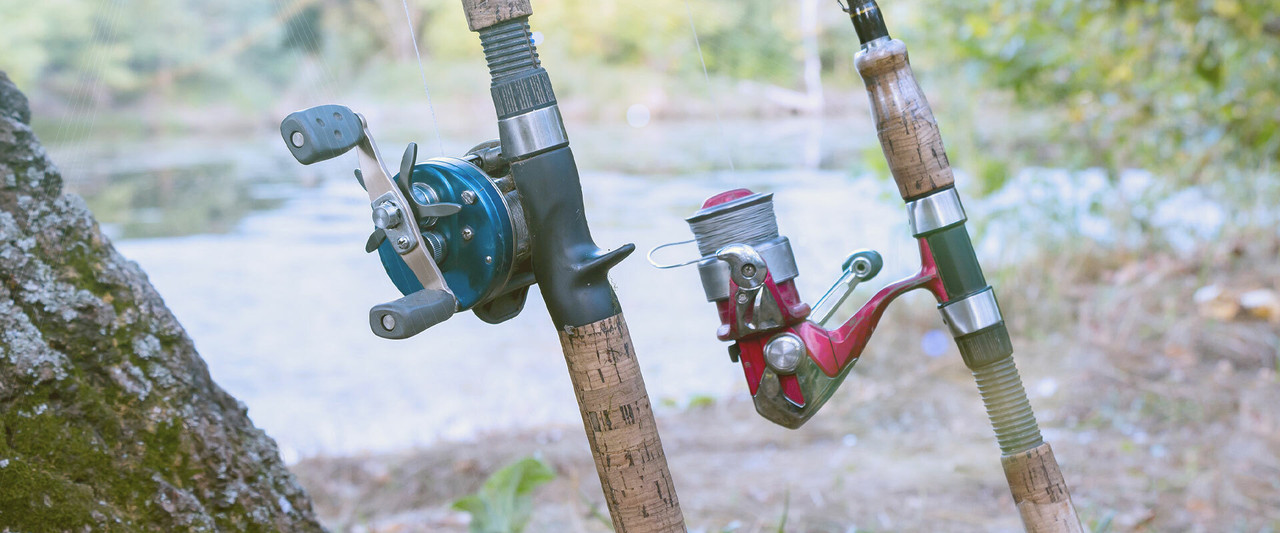
A Tackle Shop Guide to Fishing Rod and Reel Combos
A fishing combo in our online store is not just a bundle — it is a rod and reel selected with thought to work together. The rod's line rating, power, and action are matched to the reel's drag capacity and physical size so the setup performs well as a unit. It is matching like this that matters more than most buyers realise. A reel that is too large or too heavy for the rod throws off the physical balance of the setup, can reduce casting distance, increases arm fatigue, and can undermine the performance of both components of the outfit.
A Note From Our Local Experts
"The most common mistake I see is beginners picking a large reel, thinking bigger means stronger, then putting it on a lightweight rod. You’d be surprised how many times I have seen online orders come through with a customer ordering an 8000-sized reel and a 2-5 kg-rated rod separately. After making a phone call, when I pick up orders like this in our system, it is surprising how many say, 'Oh, I had no idea!' Using a system like this throws the balance off completely and usually causes problems at both ends of the setup.
When I build our combos for our online listings and those in store in the Illawarra, I draw on my years of on-water and retail experience. A practical example: I will often pair a 2–4kg rated 7ft rod with a 2500 size reel. I know from experience that the drag range, line ratings and capacity of that reel align with what a rod of that rating is designed to handle.
Whether estuary, surf, boat, or game — there is a combo in our range for sale built for that style, and the pairing has been thought through before it is listed. This is a practical reason to buy a pre-made fishing combo from us, whether you are new to fishing or have been angling for many years. We stock a range of outfits for beginners through to top-end outfits for advanced anglers."
— Ben Czulowski, Owner, Fishing Tackle Shop (Ocean Storm) | 20+ years industry experience
What to Understand Before Buying a Fishing Rod and Reel Combo
The most important decision is matching the combo to the application. A light estuary combo built for bream and flathead is a different setup from a surf combo built for casting 30 metres into the beach surf. Rod length, power rating, and reel size all need to align with the fish you are targeting and the water you are fishing. Get the application right, and it often means a much better fishing experience.
✔
Rod Length: Longer rods generate more leverage on a cast, which generally allows for greater casting distance — the reason surf rods are built long. Shorter rods are more practical in confined spaces like a boat or rock ledge where a long blank is difficult to manage. Length is primarily about casting distance and handling environment, not power.
✔
Rod Power Rating: Power ratings like 2–4kg, 4–8kg, or 10–15kg indicate the line and load range the rod is designed to handle. A rod used below its rating will feel sloppy and lack sensitivity. Used above it, the blank is under stress it was not built for. Matching your target species and line class to the rod's power rating is what puts the outfit in its working range.
✔
Reel Size Numbers: Reel sizes — 1000, 2500, 5000, 8000 — indicate spool capacity and overall reel size. A 1000 or 2500 suits light estuary fishing on 4–8lb line. A 5000 handles surf and general boat work on heavier braid or mono. An 8000 and above is for heavy surf, offshore, and species that run hard and long. The number is a relative scale, not a universal standard — it varies between brands.
Fishing Combo General Application Guide
Different fishing styles require different rod lengths and reel sizes. This is a baseline of how the combos in our range for sale are typically categorised — factory-built or those I have put together in-store.
| Fishing Style |
Typical Rod Length |
Typical Reel Size / Type |
Common Target Species |
| Light Estuary / River |
6ft to 7ft |
Spin 1000 to 2500 |
Bream, Flathead, Whiting |
| Heavy Inshore |
6ft to 7ft |
Spin 4000 to 5000 |
Large Flathead, Cod, Barra, Snapper, Fingermark, Mangrove Jack, Queenfish |
| Rock / Breakwall |
8ft to 10ft |
Spin 4000 to 10000 |
Tailor, Salmon, Drummer |
| Heavy Beach / Surf |
10ft to 13ft |
Spin 6000 to 10000+ |
Mulloway, Salmon, Sharks |
| Offshore Boat |
5ft 6in to 7ft |
Spin 5000+ (or Overhead) |
Snapper, Kingfish, Pelagics |
| Baitcaster / Estuary |
5ft 6 inch to 6ft 6in |
Low-profile Baitcaster |
Barra, Bass, Snapper, Mangrove Jack |
| Game / Heavy Offshore |
5ft 6in to 6ft |
Heavy Overhead (50–130 class) |
Marlin, Tuna, Broadbill |
| GT / Popper / Topwater |
7ft to 8ft |
Spin 8000 to 20000 |
GT, Large Tuna, Wahoo |
Swipe →
Frequently Asked Questions About Fishing Rod and Reel Combos
Why buy a rod and reel combo instead of buying them separately?
Two main reasons. First, the matching is done for you — the rod and reel specs in a combo are picked to work together, which matters more than most buyers realise. A reel with too much or too little line capacity for the rod, or a drag range that does not suit the rod's power, creates a setup that underperforms at both ends. Second, if you are buying a dedicated setup for a specific application — a separate baitfishing rod, a kids' outfit, a surf rod for occasional use — a combo is a faster and simpler decision than sourcing two components that may or may not pair well.
Do fishing rod and reel combos come pre-spooled with line?
Some do, some do not. It varies by product. Check the individual listing for each combo before ordering — the product description will specify whether line is included. If line is not included, you will need to spool the reel before fishing.
Are rod and reel combos only for beginners?
Not at all. Combos are common among experienced anglers who want a dedicated setup for a specific fishing style. A baitfishing combo for a barra session, a light estuary setup kept in the car, a kids' outfit that needs to be reliable without being expensive — these are all situations where an experienced angler will buy a combo. Combos suit beginners because they remove the component-matching step, but that grab-and-go convenience works for anglers at any level.
Can I replace just the rod or just the reel if one gets damaged?
Yes — the rod and reel in a combo are separate components and can usually be replaced individually. If the reel fails, you replace the reel. If the rod breaks, you replace the rod. You are not locked into buying a new combo. The practical consideration is matching a replacement component to the surviving one — if the rod is still in good condition, the replacement reel should suit the rod's line rating and power. Our staff can help with that if you are unsure what to look for.
What fishing styles and species suit the combos you stock?
Our range covers most Australian fishing applications. Here is a quick guide to finding the right setup:
What is the difference between a spinning combo and an overhead combo?
A spinning combo uses a threadline reel that mounts below the rod. The bail arm picks up line on the retrieve, and the spool is fixed — line peels off the front of the spool on the cast. This is the standard setup for most light-to-medium fishing: estuary, surf, and general boat work. An overhead combo uses a reel that mounts on top of the rod with a revolving spool — line feeds directly off the spool under the weight of the lure or sinker. Overhead setups typically deliver more retrieve power and higher line capacity at heavier line classes, which is why they are used for boat fishing, game fishing, and baitcasting. If you are not sure which applies to your fishing, the estuary, surf, and general purpose combos in our range are all spinning setups. Overhead reels appear in the boat, game, and baitcaster categories.