A Tackle Shop Guide to Flippers & Fins
The main confusion we see with fins is customers choosing the wrong type for what they want to do. The fin you need for snorkeling is built completely differently from the one you need for bodyboarding or spearfishing, and using the wrong one is frustrating. This guide explains the simple difference.
A Note From Our Local Experts
As a shop, we've handled our share of fin returns over the years. Often, after chatting with the customer, we find the fin wasn't faulty at all. The problem was a mismatch for the conditions—like using a long, flexible snorkeling fin in a heavy shore break, which puts a huge amount of pressure on the materials that they just weren't designed to handle. The small range we stock is deliberately chosen to cover these different uses properly.
- Ben Czulowski, Owner, Fishing Tackle Shop (Ocean Storm) | 20+ years industry experience
Understanding Fin Types: Snorkeling, Surf & Spearfishing
The choice comes down to what you're doing, as each design is highly specialised. There's no single fin that does all jobs well.
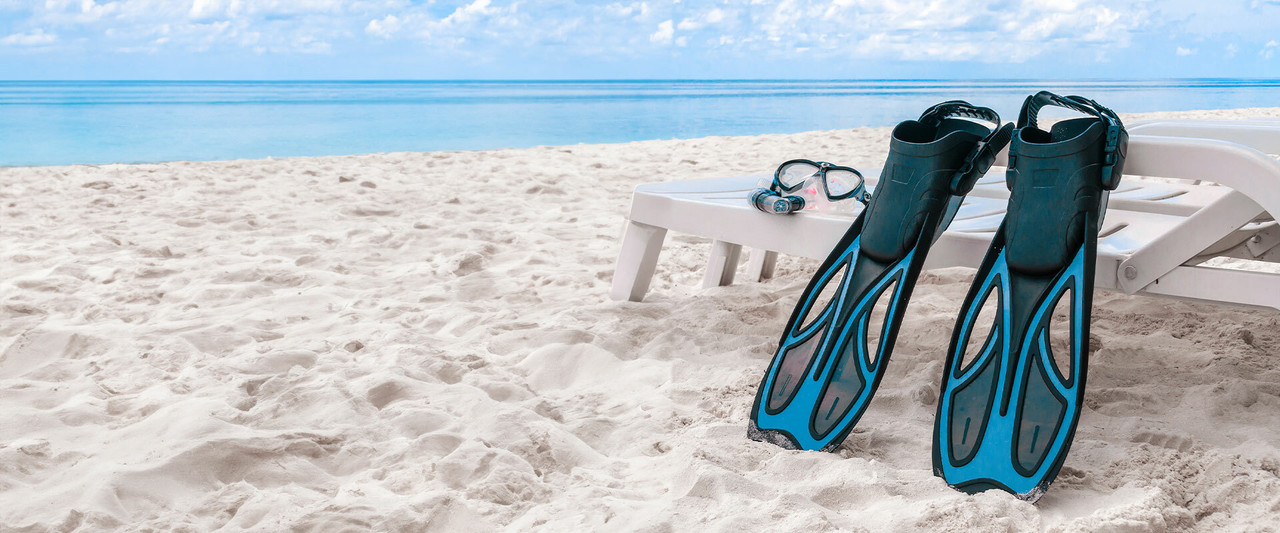
- Snorkeling Fins: These have a medium-length, flexible blade. They're designed for easy, steady kicking on the surface. That blade lets you cruise along a reef without wearing yourself out.
- Surf Fins (Bodyboarding): These are much shorter, wider, and stiffer. They're built for a quick burst of power. You use a fast, sharp kick to get the acceleration you need to catch a wave. They are not designed for cruising.
- Spearfishing Fins: These are the very long-bladed fins. Their entire design is about efficiency for diving. That long blade gives a slow, powerful thrust to get a diver from the surface down to depth (and back) using the least amount of energy and oxygen.
About Fit and Fin Socks
A fin must be snug. If it's too loose, your foot will rub, and you'll get bad blisters that can ruin a day in the water. This is why we sell accessories like neoprene fin socks. They're not just for warmth; they fill that tiny bit of empty space and stop the rubbing before it starts. It's a simple way to make your fins far more comfortable.
Our in-store tip for sizing a full-foot fin is that it should feel snug all around, but not painfully tight. Your toes shouldn't be jammed hard against the end. When you put it on and give your foot a good shake, your heel should not lift or move around inside the foot pocket. If it does, it's too loose, and that's where you'll get friction.
Full-Foot vs. Open-Heel Fins
This is a simple but important choice. A full-foot fin is like a slipper, designed to be worn barefoot or with a thin neoprene sock. They're very common for snorkeling around a reef or coastline. An open-heel fin has a strap at the back and is built to be worn over a hard-soled dive boot. These are the standard for scuba diving or for anyone needing to walk over sharp rocks and reef to get to their spot.
Frequently Asked Questions
Can I use my snorkeling fins for bodyboarding?
We wouldn't recommend it. The long, flexible blade on a snorkel fin is designed for cruising, not for acceleration. It won't give you the short, sharp "bite" you need to catch a wave, and you'll find it clumsy in the surf.
How do I stop my fins from warping in the car?
Heat is the main enemy. Never leave your fins on the car dashboard or parcel shelf. The direct sun will cook the rubber and can twist the plastic blade out of shape. The best way to store them is flat, out of the sun, in a cooler spot like the boot.
Does fin stiffness matter for a casual snorkeler?
For general snorkeling, a standard, flexible blade is all you need. It's easier on your leg muscles and moves you along efficiently. A very stiff blade provides more power, but it also requires a lot more leg strength. If you're not used to it, a stiff fin is a fast way to get leg cramps.