A Tackle Shop Guide to Baitcaster Fishing Rods
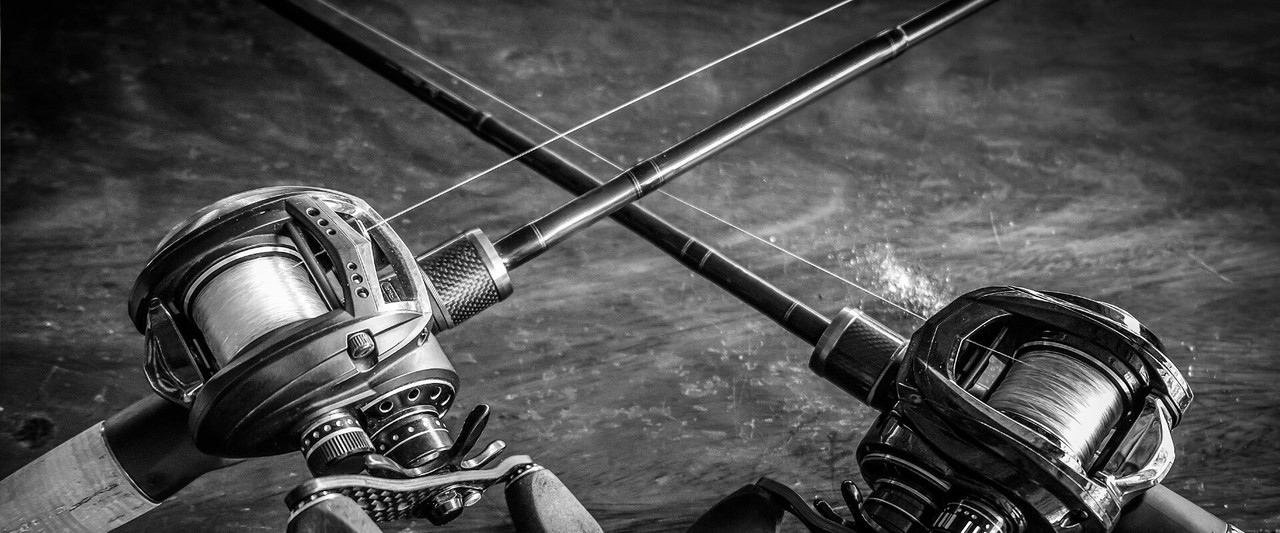
If you want to bomb a lure out into the middle of a lake, a spinning setup does the job. But if you need to drop a spinnerbait or a heavy lure right on the nose of a fish sitting deep inside a submerged tree, you're best to reach for a baitcaster fishing rod and reel setup. The whole rod is built upside down compared to what casual anglers are used to. The reel sits right on top, the guides face the sky, and there is a distinct trigger grip sitting under the reel seat. You hold the outfit by hooking your fingers around the trigger and 'palming' (cupping) the low-profile reel in your hand. This puts your thumb directly on the spool to act as a manual brake. You can feather the line while the lure is flying through the air, stopping it dead before it crashes into the mangroves.
A Note From Our Local Experts
"I still get people coming into the shop wanting to buy these rods for their standard spin reels just because they like the look of the trigger grip. I have to physically explain how the guides work to show them why it's a terrible idea. A spinning reel throws line off the spool in wide, spiralling loops. A baitcaster rod has tiny, low-profile guides built for line that travels perfectly straight. If you strap a spin reel to it, those wide loops of line will violently slap against the tiny first guide, choking your cast and causing a massive tangle.
While baitcasters are famously used for chasing Barramundi up the top end of Australia, they are still used by our local customers down here in the Illawarra, too. A handful of locals rely on them for pulling Australian Bass out of the timber on the Shoalhaven River, or for throwing large swimbaits for big flathead in the lake. It really comes down to having the physical leverage to try and stop a fish in its tracks before it wraps your line around a snag."
— Ben Czulowski, Owner, Fishing Tackle Shop (Ocean Storm)
What Makes a Baitcaster Rod Different?
Here are a few key elements that make a baitcaster fishing rod different to conventional spinning rods.
✔
The Trigger Grip: Because the guides sit on top of the blank, a heavily loaded rod naturally wants to roll over under pressure, so the guides face downward. The trigger doesn't magically stop that twist dead, but it gives your hand a physical anchor point. You hook your fingers around it to give your wrist the leverage needed to physically fight that torque when you lock the drag down on a snag-bound fish. In summary, a trigger grip can help maintain control during not only the cast but also when fighting fish.
✔
Top-Mounted Guides: Line peels straight off the top of a revolving spool, so the guides sit flush along the top edge of the graphite. While tighter guides reduce line slap, they aren't the real secret to a baitcaster's accuracy. That comes entirely from your thumb. Resting your thumb on the spool lets you feather the line mid-flight where necessary, decelerating the lure to drop it more accurately under a mangrove root or structure.
✔
Rod Length Variations: While modern heavy swimbait rods for Murray cod can stretch past 8 feet to launch 100-gram lures, traditional estuary baitcast blanks are purposely kept much shorter—often between 5'6" and 6'6". Why? Because swinging a massive rod around under overhanging mangrove branches is a nightmare. A stubby rod lets you punch out tight, underhand roll-casts and gives you the better leverage needed when fishing in tight cover.
Pro-Tips: Avoiding the "Bird's Nest"
- The Physics of a Backlash: Here is the brutal truth—if you try throwing a standard unweighted plastic on a heavy baitcast blank, you are likely going to spend your afternoon untangling line. The reel physically relies on the weight of the lure to pull line off the drum. If the lure is too light to maintain speed, the heavy spool just keeps spinning on its own, vomiting loose line everywhere until it binds up tight. Match your lure weight to the rod's rating.
- The Spool Drop Test (Beginner vs. Advanced): If you are terrified of a bird's nest, tighten your tension knob so that when you hold the rod at 45 degrees with about 8–10 inches of line hanging free, the spool stops the instant the lure hits the deck. It is a solid starting point when learning to fish with a baitcaster rod setup, but note that it can cost you some casting distance. Once your thumb gets educated after some practice, most anglers back the tension off until it just barely eliminates lateral spool wobble, then rely on internal brakes and thumb control from there. Although some anglers will stick with the lure-drop method regardless of experience level, that’s fine.
- The DC Option: If you still can't get the hang of it, Shimano's DC range is worth a look. The SLX DC is the entry point, with the Curado DC stepping up in quality from there. They cost more than standard reels, but the onboard microcomputer reads spool speed and it can take a lot of the pain out of learning how to fish with a baitcaster rod and reel.
- Watch Your Rod Angles: These rods get used in brutal, close-quarters fights with heavy drag. When a fish makes a desperate dive right at the side of the boat, the instinct is to pull the rod straight up. Don't do it. High-sticking past a 90-degree angle shifts the entire load onto the fragile tip section, and it will snap. Keep the rod low to the water and let the thick butt section take the strain.
Baitcaster Rod Application Guide
Pick your rod's power based on the snags you plan to fish and the size of the target.
| Rod Power Rating |
Primary Application |
Common Target Species |
| Light (Approx. 3–6kg) |
Flicking small hardbodies and spinnerbaits in tight, skinny creeks. |
Australian Bass, Estuary Perch, Yellowbelly. |
| Medium (Approx. 5–10kg) |
The standard weight for impoundments and heavy estuary snags. |
Murray Cod (small/medium), Mangrove Jack, Snapper. |
| Heavy (Approx. 10–15kg+) |
Winching fish out of heavy timber or throwing massive swimbaits. |
Barramundi, Trophy Murray Cod, Mulloway. |
Swipe →
Frequently Asked Questions
Can I use a spinning reel on a baitcaster rod?
We strongly advise against it, for a few reasons. Firstly, the casting ability is terrible, and you’ll be prone to tangles and all sorts of other issues. Spinning reels are not designed to be used on baitcatser fishing rods.
Why are baitcaster rods usually shorter than spinning rods?
It used to be that all baitcasters were short, but things have changed. Today, if you are throwing massive swimbaits for cod, you might use an 8-foot baitcaster for distance. However, for standard estuary and river fishing, they are kept deliberately short (around 5-foot 6-inches to 6-foot 6-inches). It is all about accuracy over distance. When you are casting into heavy timber or trying to slip a lure under a boat dock, a long rod is clumsy and catches on everything behind you. A short blank gives you the clearance to roll-cast into tiny gaps with a bit of practice.
Can I throw soft plastics with a baitcaster?
It depends entirely on the weight of the jig head. Standard baitcast spools need physical mass to get them spinning. Heaving a 5-inch plastic on a heavy 1/2oz head for flathead? No problem. Trying to flick a tiny 1/16oz jig head for bream? Unless you are using a highly specialised Bait Finesse System (BFS) setup engineered specifically for micro-lures, a standard baitcaster is highly likely to tangle. For standard finesse plastics, stick to your light spinning gear.
Are baitcaster fishing rods strictly for freshwater?
Not at all. The freshwater guys love them for Murray cod and bass, but saltwater anglers rely on them just as heavily. Up north, they are the standard choice for many anglers for wrestling mangrove jack and barramundi out of the snags. Down south, you'll see locals using them to muscle big flathead and estuary perch away from oyster racks.