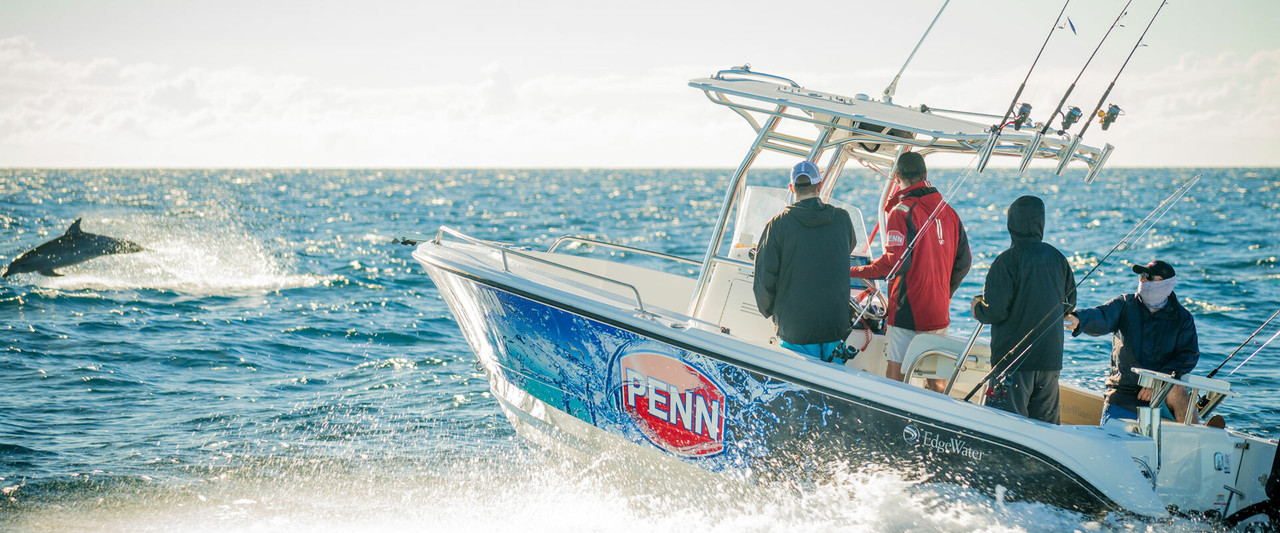
A Tackle Shop Guide to Boat Fishing Combos
A boat rod is built for a completely different purpose compared to a surf or estuary rod. When you are standing on a boat deck, you rarely need to cast a bait 50 metres. Your main objective is having the backbone to drag fish up from the reef, and the control to steer them away from the outboard motor when they thrash next to the hull. Because of this, boat fishing combos are typically much shorter (5ft 6in to 7ft) and carry a significantly heavier power rating to provide raw lifting leverage.
A Note From Our Local Experts
"One of the most common mistakes I notice when people are buying their first boat combo is ordering a rod that’s too long. It can be an easy assumption that longer rods work better on the shore, so they should cast and fish well on a boat. On a boat deck, it's the opposite.
If you're fishing from a boat, you need a dedicated boat combo. However, it isn’t as simple as buying any old boat rod. There are a few main offshore fishing categories that we have built our combos around. We stock a range of heavy overhead combos for raw winching power, and there are the baitrunners to fool wary fish, and we often stock a range of sport fishing combos for fishing lures such as plastics. Check the details in each of our individual listings.
On my Quintrex Fishabout, I fish the local Illawarra reefs and also the FADs during the summer months. For the reefs, I run both spin and overhead combos. I usually grab an overhead when I'm winching snapper off the bottom, but out at the FADs, I want a spin outfit in my hands. It just makes throwing metals and hardbodies at mahi-mahi a lot easier."
— Ben Czulowski, Owner, Fishing Tackle Shop (Ocean Storm) | 20+ years industry experience
Matching the Outfit to the Job
Instead of just listing random rods, we group our setups by the actual style of fishing they are used for. Here is a look at what we stock and why you would choose them.
✔
Overhead Boat Combos (Bottom Bashing): An overhead reel mounts on top of the rod and feeds line directly off the spool. It provides direct cranking torque, making it the standard choice for dropping heavy sinkers straight down to deep reefs for morwong, snapper, or kingfish, but they are typically also fine for trolling skirts for sportfish like dolphin fish or striped tuna.
✔
Baitrunner Combos (Live Baiting): Fish like snapper and mulloway have hard mouths but feed cautiously; if they feel the heavy resistance of a standard drag when they pick up a bait, they are more likely to drop it. A baitrunner reel features a secondary rear drag system that allows line to peel off the spool under near-zero tension. When the fish takes off with the bait, you just turn the handle. That clicks the reel straight into its normal drag setting so you can strike.
✔
Snapper on Plastics Combos: Throwing plastics for snapper means you need a different style of rod. You aren't just dropping a heavy sinker straight over the side; you're casting a light jig head ahead of the drift and letting it flutter down. These combos usually feature 6-7ft 6-inch spinning rods with fast, sensitive tips for better feel when a snapper grabs the plastic as it falls through the water column.
✔
Offshore Jigging Combos: Dropping heavy metal jigs is hard physical work. You need a short, powerful blank that lets you rip the lure upward without completely burning out your arms. Jigging combos are extremely short (often 5ft to 6ft) with heavy parabolic blanks designed to take the physical punishment of fighting powerful species like amberjack, cobia, and samson fish straight up and down.
✔
Game Fishing Combos: The heaviest of duty combos for targeting our oceans' greatest pelagic predators. We do not list Game combos in this category, as we have another category dedicated specifically to
Game fishing combos.
Pro-Tips: Boat Gear Maintenance
- Saltwater Corrosion: Boat gear takes more salt spray than any other tackle as the boats travel through the swell. The combination of corrosive saltwater and drying sea breezes can seize a reel quickly. You must lightly mist your combos with fresh water after every trip. Never blast an overhead or spinning reel with a high-pressure hose, as this can force salt crystals deep into the internal gear housing.
- The 'High-Sticking' Danger: When landing a fish at the side of the hull with a graphite rod, never lift your rod past a 90-degree angle to the water. The heavy lifting power of a boat rod is in the thick butt section. Pointing the rod at the sky transfers all the weight of a thrashing fish to the rod tip, which will often snap it instantly.
Offshore Depth & Application Guide
Whether you are fishing the southern reefs of Victoria or the tropical coral systems in Queensland, matching your combo to the water depth and structure is how you consistently land fish. Here is a rough guide to how we match our gear to the water depth you are sitting on.
✔
Inner Reefs (10m – 30m): Leave the heavy winches at home. A standard 6 to 7-foot spin stick is all you need to flick a lightly weighted bait or a small plastic around the shallow reef fringes. A 15lb to 20lb braid gives you the required sensitivity to feel the bites from school snapper, flathead, sweetlip, and coral trout.
✔
Mid-Depth Reefs (40m – 80m): You need heavier lead (3oz to 6oz+) to hold bottom in the current. A mid-weight overhead combo provides the raw lifting power to pull a solid snapper, nannygai, or emperor out of the structure. If you are floating unweighted baits down a berley trail in this zone, this is where a Baitrunner setup excels.
✔
Deep Water & Pelagic Zones (80m+ or FADs): This is heavy lifting territory. When a samson fish or amberjack dives for the reef 80 metres down, you need a short, powerful jigging rod with 50lb+ braid to stop it. For casting at mahi-mahi or mackerel holding around surface buoys or current lines, a heavy spin combo is required to punch lures out from a distance.
Boat Combo Quick-Reference Table
| Zone / Depth |
Recommended Combo |
Target Line Class |
Common Australian Species |
| Inner Reefs (10m - 30m) |
Plastics / General Spin |
15lb - 20lb |
Snapper, Flathead, Coral Trout, Sweetlip |
| Mid-Depth (40m - 80m) |
Overhead / Baitrunner |
30lb - 50lb |
Snapper, Morwong, Emperor, Nannygai |
| Deep Water (80m+) |
Jigging / Heavy Overhead |
50lb - 80lb |
Samson Fish, Amberjack, Bar Cod, Pearl Perch |
| Pelagic / Surface |
Heavy Spin |
50lb - 80lb |
Mahi-mahi, Spanish Mackerel, Kingfish, Tuna |
Swipe →
Frequently Asked Questions
What rod and reel combination suits bottom fishing on the reef?
For pure bottom bashing, an overhead combo is the traditional choice because the reel functions like a direct-drive winch, making it much easier to haul a heavy sinker and a strong fish straight up from the bottom. However, a large 5000 to 8000 size spinning reel paired with a stout 6ft to 7ft boat rod is also very common because spinning gear is simpler to manage, especially for anglers who don't want to guide the line with their thumb.
Can I use the same combo for trolling and bottom bashing?
You can definitely get away with it if you run a heavy overhead or a solid 6000 to 8000 spin outfit. The main trade-off is just the stiffness of the rod. A proper trolling stick is a bit 'spongy' to absorb the hit when a fish grabs a lure moving at 6 knots. A bottom bashing rod is built stiff so you can haul fish out of the reef quickly. A solid 10-15kg general-purpose boat rod sits right in the middle and does a reliable job at both.
Do our boat fishing rod combos come with line?
No, most of the boat combos we sell include just the rod and reel. Line choice is highly subjective, depending on exactly what you are targeting and the depths you are fishing. Most anglers prefer to select their own specific breaking strain and brand of braid or monofilament to suit their local reef, so we leave them unspooled as a blank canvas.
What line class should I use for offshore boat fishing?
The deeper you fish, the heavier you generally go, as outlined in our depth table above. The physical mechanic to remember here is 'water drag'. Thick 80lb line catches the current much more than thin 20lb braid. If you try to fish 80lb line in 30 metres of fast-moving water, you will need a massive sinker just to hold bottom. The general rule is to fish the lightest line you can get away with, purely so your bait doesn't look like it's anchored to a thick tow cable in the current.
Do I need a Baitrunner reel, or can I just leave my normal reel's bail arm open?
Not at all. Plenty of guys just leave the bail arm open on a standard spin reel and rest a finger on the line to stop loops while floating a bait down the berley trail. A Baitrunner just makes life easier if you fish with the rod in the holder. If a fish takes off while you're rigging another line, it feeds line out smoothly instead of buckling the rod over or creating a massive bird's nest. If you hold the rod the whole time, a standard reel does the job.