A Tackle Shop Guide to Baitcaster Combos
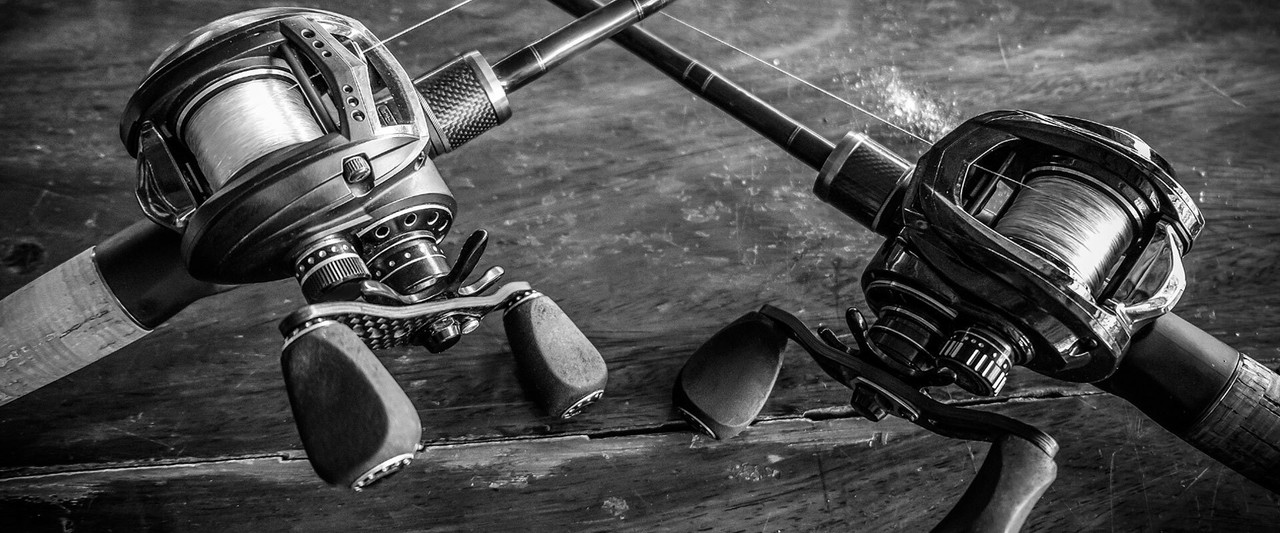
A baitcaster is built for a completely different style of fishing than your standard spinning outfit that a majority of anglers in Australia are used to. While a spin reel is great for casting across open water, a baitcaster is all about accuracy and stopping power. Because your thumb rests right on the spool during a cast, you can brake the lure mid-air and drop it super close to snag with barely a splash.
Once you hook up to a fish and start recovering the line, the line feeds straight into the reel like a winch rather than bending around a bail arm, as a spinning reel does. With a baitcaster combo, you get direct pulling power to try and turn a fish's head immediately. The combination of better casting accuracy and straight-line grunt is exactly why baitcaster combos are often the setup of choice for anglers chasing hard-fighting Australian fish species like Barramundi and Murray Cod deep in the timber snags.
A Note From Our Local Experts
"We don't have a massive cult following for baitcaster combos here in the Illawarra compared to the barra guys up north, but they absolutely have their place. If you are working the weed beds and drop-offs in Lake Illawarra with a heavy swimbait or a vibe, a baitcaster gives you the direct cranking power to muscle a big flathead out before it buries itself.
The same goes for the Minnamurra River or the upper Shoalhaven. When you need to put a lure right up against a bridge pylon or under an overhanging tree for estuary perch or Australian bass, the pinpoint accuracy that a baitcaster gives is hard to beat. Down towards Greenwell Point, you could even use a baitcaster combo to glide baits along the bank walls and weed beds.
Learning to cast a baitcaster fishing combo can be a challenge at first. I certainly won't forget my first time when I took a trip to Melville Island chasing barramundi, queenfish, and fingermark. I spent about an hour casting a plug into a bucket on the grass until I finally got the hang of it. Would you believe that in the 3 days I spent there, I never lost a single lure?
The biggest takeaway I can give anyone starting out with a baitcasting combo is that you must physically tune the reel's braking system to the lure's specific weight. If you change lures and don't adjust the cast control, you can increase the chance of getting what we anglers call a bird's nest."
— Ben Czulowski, Owner, Fishing Tackle Shop (Ocean Storm) | 20+ years industry experience
The Advantages of Our Baitcaster Combos
Our baitcaster combos are designed for ergonomics and structural pulling power.
✔
Low-Profile Ergonomics: The combos that we sell in this category feature low-profile models designed to sit low on the rod blank. This feature allows you to 'palm' the reel (wrap your hand entirely around it). Palming gives you direct physical contact with the rod blank, making it much easier to feel any subtle vibrations from a lure or a slight strike from a fish.
✔
The Trigger Grip: Baitcaster rods feature a distinct trigger grip sitting underneath the reel seat. This allows you to lock your fingers securely around the rod, ensuring it doesn't twist out of your hand when casting heavy lures or locking up the drag on a heavy fish.
✔
Adjustable Braking Systems: Unlike a spin reel, virtually all baitcasters have internal magnetic or centrifugal brakes, plus a spool tension knob. These mechanical systems work together to control the speed of the spool during a cast, which is what prevents overruns, especially when casting lures into a bit of headwind.
Pro-Tips: Avoiding the "Bird's Nest"
- How to Tune Your Spool Tension: Building on Ben's advice, here is how you tune the reel to the lure. Tie your lure on, hold the rod at a 45-degree angle, and press the thumb bar to release the spool. The lure should fall to the ground. The exact moment the lure hits the ground, the spool should stop spinning. If the spool keeps spinning after the lure lands, your spool tension knob is too loose. Tighten it and try again.
- The 'Line Dig' Danger: Unless you are using a dedicated BFS (Bait Finesse System) setup, avoid spooling with ultra-thin braid. If you hook a snag and apply heavy pressure, thin-diameter braid can act like a blade, slicing down and burying itself into the looser underlying layers on your spool. On your next cast, the line will catch on this "wedged" section, causing the spool to stop dead. This sudden jolt often snaps the line, sending your lure off mid-flight. For general baitcasting, a braid of 15lb to 20lb is the recommended minimum to ensure the line stacks better.
Baitcaster Combo Facts — True or False
Common assumptions about baitcaster combos, checked against how they actually perform.
| Claim |
Verdict |
Why |
| A baitcaster combo is harder to learn than a spinning combo for beginners |
True |
The revolving spool requires thumb control and correct braking tuning. Budget for a few hours or days of practice before fishing. |
| Low profile baitcaster combos are only for freshwater |
False |
They are well suited to estuary fishing for flathead, estuary perch, barra, mangrove jack and bass in tidal river systems. |
| You need to re-tune a baitcaster combo when you change lure weight |
True |
Braking settings are matched to lure weight. Swap lures without retuning and overruns follow. |
| A baitcaster combo casts further than a spinning combo |
False |
Spinning combos generally cast further. Baitcasters trade distance for placement accuracy. |
| Low profile combos are poor for trolling |
Mostly True |
Round reels are better and built for sustained drag under load. Low profile combos are better for casting lures. |
| Braid is the right line choice for a baitcaster combo |
True |
Thinner diameter at equivalent breaking strains means more line on a smaller spool and less overrun risk. |
Swipe →
Frequently Asked Questions
What is the difference between the spool tension knob and the magnetic brakes?
They work together, but do different jobs. The internal brakes (magnetic or centrifugal) manage the high-speed part of the cast—they stop the spool from over-revving the moment you whip the rod and the lure accelerates. The spool tension knob (the small dial next to the handle) applies constant friction throughout the whole cast. Its main job in a modern reel is to remove side-to-side play in the spool and act as your safety net to stop the spool the exact second the lure hits the water.
How do I clear a severe bird's nest without cutting my braided line?
Before you reach for the scissors, try the 'thumb trick'—provided it is a loose tangle of overruns and not a line that has dug deep into the spool. Press your thumb down with firm, steady pressure directly onto the tangled spool. Do not press as hard as you physically can, as excessive pressure can warp a modern, lightweight aluminium spool. While maintaining that firm pressure, turn the reel handle one or two full rotations. This forces the loose loops to flatten and pull through themselves. Release the thumb bar and pull the line out. You might have to repeat it twice, but it saves your line most of the time.
What lures work best with a typical baitcaster combo?
A baitcaster requires the physical weight of the lure to pull the spool into motion during the cast. Because of this, they excel with heavier, aerodynamic lures. Spinnerbaits, medium-to-large hardbody diving minnows, lipless crankbaits (vibes), and heavy swimbaits are the standard choices. If you try to cast an unweighted soft plastic or a tiny 1/16oz jig head, the lure simply doesn't have the mass to keep the spool spinning, which usually results in a bird's nest. Save the finesse plastics for your light spinning gear.
What species and locations suit baitcaster combos in Australia?
It all comes down to heavy structure. Up north, they are a standard choice for pulling Barramundi and Mangrove Jack out of tight mangrove roots. Inland, freshwater anglers rely on them for casting at standing timber for Murray Cod and Yellowbelly. Down here on the South Coast, we use them in the estuaries for wrestling big flathead and estuary perch away from bridge pylons and oyster racks. Any location where you need to drop a lure within inches of heavy cover and winch a fish out before it breaks your line is exactly where a baitcaster belongs.