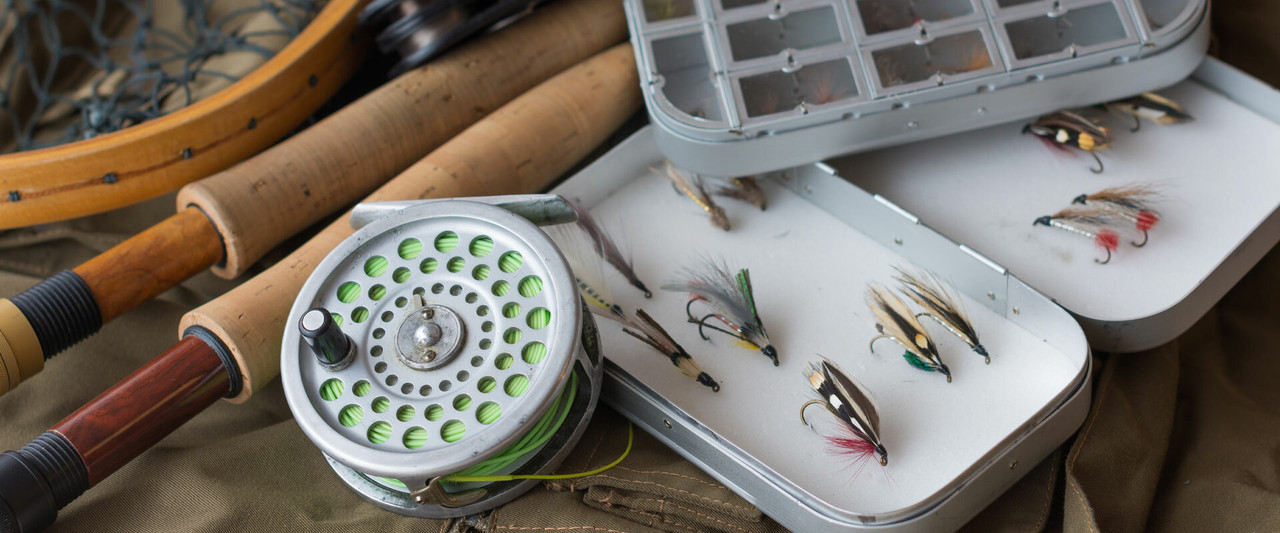
A Tackle Shop Guide to Fly Fishing Flies
Walking into a fly section can be intimidating with lots of patterns, colours, and names to learn. However, successful fly fishing usually comes down to simple observation: are the fish feeding on the surface, mid-water, or near the bottom? This guide breaks down the core differences between our freshwater and saltwater fly ranges to help you build a practical, working fly box without the confusion.
A Note From Our Local Experts
"While I don't consider myself a fly fishing purist, I've seen a massive shift in how people are buying flies in the shop. It's no longer just anglers heading to the Snowy Mountains for trout. We have a growing number of customers buying different profiles to chase saltwater fish here in the Illawarra.
We sell a surprising amount of artificial weed flies to local guys targeting luderick off the breakwalls. The key advice I give to anyone starting out is not to get bogged down in learning hundreds of traditional pattern names. Start with a few proven premixed packs from brands like Wildfish—and focus on presenting them correctly in the right water column."
- Ben Czulowski, Owner, Fishing Tackle Shop
Freshwater Foundations: Dry Flies vs. Nymphs
For freshwater trout and bass, your fly box should be divided into two main categories based on where the fish are actively feeding.
✔
Dry Flies: These are tied with buoyant materials (like stiff hackle feathers or foam) to float on the surface tension of the water. They imitate adult insects that have landed or hatched on the surface. You use these when you can actively see fish rising and breaking the surface.
✔
Nymphs: These are tied to sink. They imitate the underwater larval stage of aquatic insects, which makes up the vast majority of a trout's diet. If you are fishing a stream and see no surface activity, a nymph drifted slowly near the bottom is your most reliable option.
Saltwater Flies: Built for Punishment
Saltwater fly fishing demands a completely different approach to hardware and profile design. A delicate trout fly will not survive the salt.
✔
Heavy-Duty Hardware: Saltwater flies are tied on heavy-gauge, corrosion-resistant stainless steel or tinned hooks. Depending on the models you choose, some are designed to withstand the crushing jaw pressure of species like snapper, kingfish, and bonefish and resist straightening out.
✔
Baitfish Profiles: Rather than imitating tiny insects, saltwater flies (like Clousers and Deceivers) are tied to mimic baitfish, prawns, or crabs. They rely on synthetic fibres and flash materials to create a pulsing, darting movement when stripped rapidly through the water.
The Australian Niche: Artificial Weed Flies
This is a uniquely Australian tackle solution. Luderick (blackfish) feed almost exclusively on green cabbage weed and string weed. Gathering fresh weed from slippery ocean rocks is time-consuming and often dangerous. Artificial weed flies imitate this natural food source perfectly. Fished under a highly sensitive float, they offer a convenient, long-lasting alternative that you can keep in your tackle box ready to go.
Frequently Asked Questions
What is the actual difference between a dry fly and a nymph, and when should I switch?
A dry fly is designed to float on the surface film to imitate a mature, flying insect. A nymph is weighted to sink and imitates the underwater larval stage of an insect. The rule for switching is simple: if you see fish visibly rising and sipping from the surface, tie on a dry fly. If the surface is quiet, switch to a nymph and fish it deeper, as fish do 90% of their feeding below the surface.
Can I use my freshwater trout flies in the saltwater for bream or flathead?
It is highly discouraged. Freshwater flies are typically tied on thin, bronzed carbon steel hooks to keep them lightweight. In a saltwater environment, these hooks will rust very quickly. More importantly, the fine wire will easily bend or straighten if a powerful saltwater fish like a flathead or trevally strikes it. Always use purpose-tied saltwater flies with heavy-duty hooks.
How do artificial weed flies for luderick actually work?
They are tied using specific green synthetic fibres that perfectly mimic the colour and undulating movement of natural ocean cabbage or string weed in the current. You rig them exactly the same way you would rig natural weed—suspended under a sensitive luderick float—saving you the hassle and danger of scraping rocks for fresh bait before a session.
What are the essential fly patterns for targeting Australian trout in alpine streams?
If you want to keep your kit simple and effective, start with these three profiles: A Royal Wulff (a highly visible dry fly for searching the surface), a Bead-Head Nymph (like a Gold-Ribbed Hare's Ear for getting down deep into pools), and a Woolly Bugger (a larger, sinking profile that mimics a leech or yabby, fished with an active retrieve to trigger aggressive strikes).
What type of fly profile triggers a strike from aggressive saltwater fish like salmon or kingfish?
For aggressive pelagic fish, you want flies that push water and create flash. Patterns like Deceivers and Clouser Minnows are the standard. They feature streamlined profiles made from synthetic hair and reflective flashabou, which perfectly mimic the frantic, darting movement of a fleeing baitfish when retrieved with fast, sharp strips.